Two coats, three knits, and two pairs of boots can create 12 basic outfit combinations before accessories enter the calculation. That is the useful math behind a winter capsule wardrobe: repeatable layers, shared colors, and enough weather coverage for real life. No state law is discussed on this fashion page. This is not legal advice — consult a licensed attorney. Prices below are typical US retail prices used for comparison in 2026, and retailers can change them during sales.
How many pieces does a winter capsule wardrobe need?
Verdict: Start with seven core pieces, then add only what solves a clear problem. A large wardrobe often fails because its pieces do not work together, not because it lacks style.
Use the 2-3-2 formula
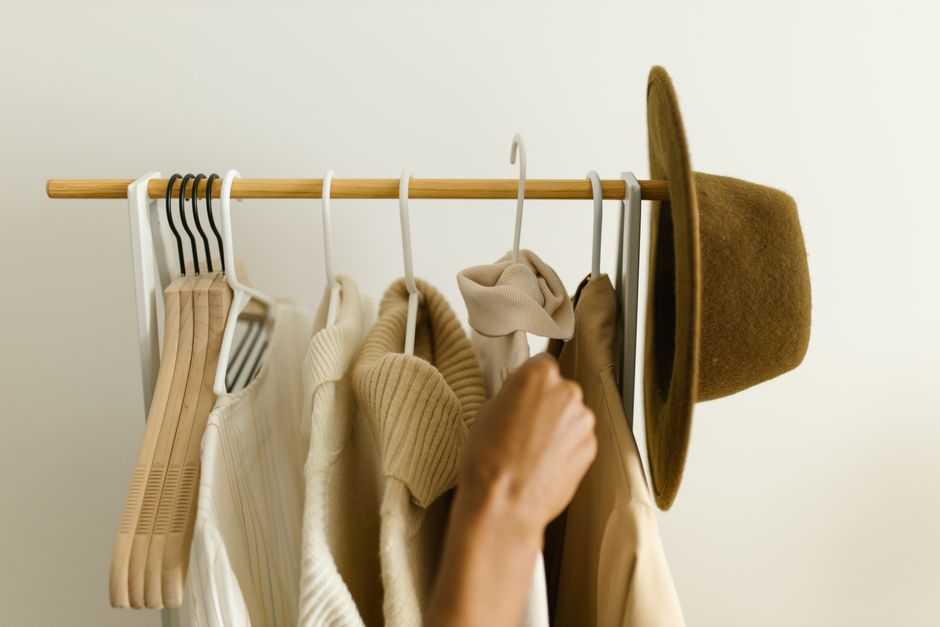
Choose two coats, three warm tops, and two pairs of boots. One coat should handle dry, polished outfits; the other should cover wind, rain, or snow. The three tops need different jobs: a thin base layer, a medium-weight sweater, and one texture-rich knit for visual interest. The boots should also split duties. A low Chelsea boot works for commuting and office clothes, while a lug-soled or weather-resistant boot handles wet sidewalks and uneven ground.
Build around one color code
Pick two neutrals and one accent. Black, charcoal, and burgundy create a sharper palette. Camel, cream, and dark brown feel softer. Navy, gray, and olive sit between the two. The coat should match at least two of the three knit colors, and each boot should work with both trousers and skirts. Check this before buying by laying the pieces together on a bed. If one item needs a special scarf, unusual trouser color, or separate coat to look correct, it is not serving a capsule; it is creating another outfit problem.
Which coat shapes make the most winter outfits?
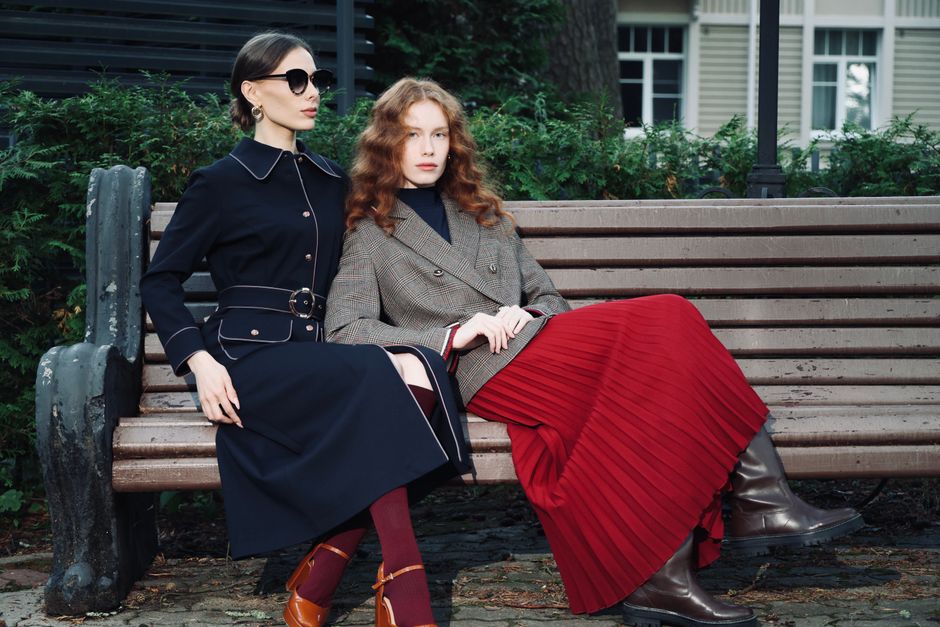
For most city wardrobes, the best first coat is a single-breasted wool coat with a straight or gently shaped fit. It layers over a sweater without looking bulky, works with jeans and tailored trousers, and does not date as quickly as an oversized statement shape. Add a technical parka only when wet weather, commuting, or below-freezing temperatures make wool impractical.
| Coat type | Useful fabric or fill | Best capsule role | Main limitation |
|---|---|---|---|
| Single-breasted wool coat | 60–100% wool blend | Office, dinners, denim, dresses | Limited rain protection |
| Double-breasted coat | Wool or wool-cashmere blend | Structured outfits and formal wear | More volume across the torso |
| Quilted down parka | 600–800 fill-power down or synthetic insulation | Wind, snow, long outdoor walks | Casual appearance and added bulk |
| Water-resistant trench | Cotton gabardine or coated nylon | Rainy shoulder-season layering | Often too light for deep winter |
The practical test is mobility. Zip or button the coat over your thickest sweater, then raise both arms and sit down. Pulling across the shoulders means the coat is too narrow, even if the chest measurement looks correct. A coat that cannot cover the layers you actually wear is a false bargain. For the first purchase, choose the wool coat if your winters are cold but mostly dry; choose the parka if weather protection controls your daily comfort.
How do you make knits and boots look intentional together?
Verdict: Match texture and proportion, not just color. A chunky sweater needs either a slim lower half or a boot with enough visual weight to balance it, while a fine-gauge knit can support wide-leg trousers and a sleeker ankle boot; keep the boot shaft close to the trouser hem, repeat one color somewhere else in the outfit, and avoid pairing three competing textures at once, because the strongest capsule outfits usually contain one focal texture, one quiet base, and one practical layer.
For example, a cream fisherman knit, dark straight-leg jeans, and brown leather Chelsea boots read as deliberate because the knit supplies texture while the denim and boot keep the shape controlled; a black fine-gauge turtleneck, gray wide-leg trousers, and slim black boots create the opposite effect, with texture kept quiet and proportion doing the work; if the sweater ends at the widest part of the hips, choose a longer coat or a high-rise trouser to restore a clean vertical line, and if the boot has a thick lug sole, keep the hem slightly shorter so the shoe remains visible instead of disappearing under fabric.
This rule also explains why buying a matching-color set can still fail: identical black tones may differ in shine, while similar brown tones can look richer when their finishes are clearly different. The goal is controlled contrast.
Which real products anchor a winter capsule wardrobe?
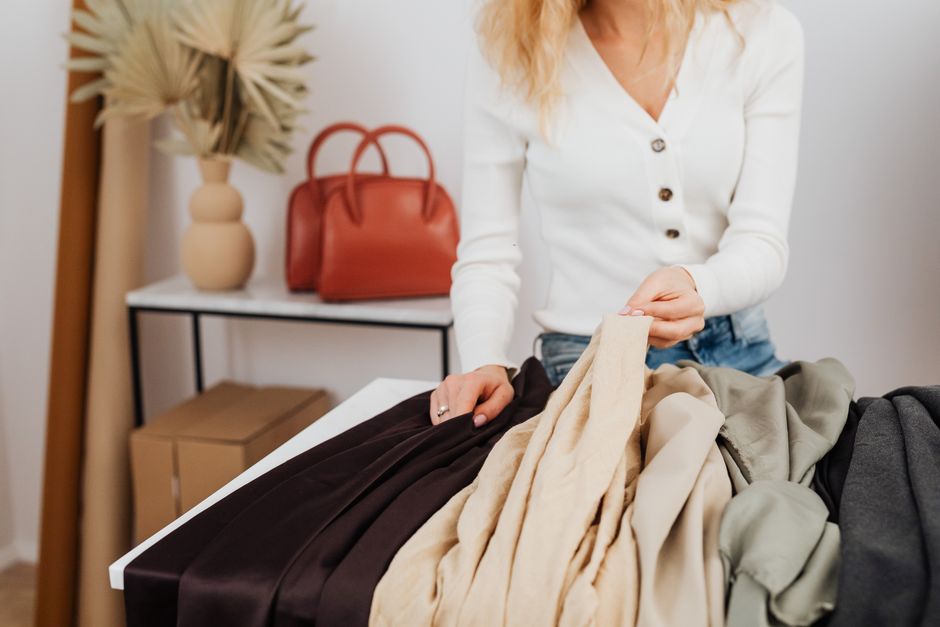
My recommendation: Buy one polished coat, one weather layer, one quality-feeling knit, and one dependable boot before adding trend pieces. The following products give a useful price and specification benchmark; none requires an affiliate link.
Best polished coat: J.Crew Daphne Topcoat
The J.Crew Daphne Topcoat typically sells near $398, depending on fabric and promotion. Its clean, single-breasted shape suits work trousers, jeans, and dresses, which makes it the strongest first coat for a mostly dry city winter. Pick charcoal or camel rather than a seasonal bright color. The tradeoff is simple: a wool coat looks sharper than a parka but needs an umbrella or weather layer in heavy rain.
Best weather layer: Uniqlo Seamless Down Parka
The Uniqlo Seamless Down Parka typically costs about $149.90 and adds a hood, quilted down insulation, and a water-repellent outer shell. It is the practical choice for long walks, cold commutes, and casual weekends. It should not replace a wool coat if your wardrobe includes formal clothes; its puffed shape changes the whole proportion of an outfit.
Best value knit and boots
The Quince Mongolian Cashmere Fisherman Crewneck is commonly listed around $79.90 and gives a textured neutral layer without the price of luxury cashmere. For boots, the Blundstone 585 Classic Chelsea is typically $239.95, with a leather upper, elastic sides, and a durable rubber sole. Choose it for daily wear and mixed weather. The Dr. Martens 2976 Mono Chelsea, usually about $170, is the better pick for a sharper black boot with more visual weight. My clear pairing is the Quince sweater with Blundstone boots for casual winter days; choose Dr. Martens when your coats and trousers have a more graphic, urban shape.
What winter capsule wardrobe mistakes cost the most?
The expensive mistakes are usually small fit errors repeated across several purchases. Use this order of review before paying:
- Buying warmth without checking layering room. A coat that fits over a T-shirt may fail over a wool sweater. Try it with your thickest knit and check shoulder movement, sleeve length, and whether the front closes without strain.
- Choosing boots by appearance alone. A narrow toe box, hard heel counter, or thin sole can turn a good-looking boot into an occasional shoe. Wear the socks you use in winter and leave roughly a thumb-width of space beyond the longest toe.
- Buying three similar sweaters. Three crewnecks in slightly different beige shades do not create variety. Select different weights or necklines: fine-gauge turtleneck, medium crewneck, and textured cardigan.
- Ignoring care costs. Cashmere may need hand washing, suede dislikes persistent rain, and wool coats often require professional cleaning. The cheapest ticket price is not always the lowest ownership cost.
- Buying the wrong weather solution. Do not buy a down parka when your real need is a rain shell, and do not buy an expensive wool coat for a job that keeps you outdoors in wet snow. Purchase the layer that solves the weather problem first.
The strongest capsule is not the smallest one. It is the one with the fewest pieces that repeatedly earn their place.
Which capsule pieces deserve an upgrade first?

Should you upgrade the coat or the boots first?
Upgrade the coat first if it is your most visible daily layer or if it prevents proper layering. Upgrade the boots first if wet feet, poor traction, or painful walking limits how often you can wear your existing clothes. For a commuter who walks outside every day, the boots are the priority. For someone moving between a heated car, office, and restaurants, the wool coat usually creates more outfit value.
When should you skip cashmere?
Skip cashmere when you need frequent machine washing, work around rough surfaces, or want a sweater for vigorous outdoor use. A merino-wool blend may resist odor and recover its shape better. Cashmere earns its price when softness and low-friction indoor wear matter more than hard use.
What is the final buying order?
Buy the coat that fits your real winter layer, then the boot that matches your walking conditions, then two knit weights in a shared palette. Add a second coat only after wearing the first through a full weather cycle. My final verdict is direct: for a dry urban winter, choose a charcoal wool coat, a cream textured knit, a fine black turtleneck, and brown leather Chelsea boots; for a wet or snowy commute, replace the second outfit layer with a hooded insulated parka and lug-soled boots. Capsule dressing is moving toward fewer, better-specified garments, and the next useful improvement will come from fabrics that handle more weather without sacrificing shape.