You leave home in a shirt, a knit and a jacket, then catch your reflection in a shop window. The outfit looks wider than expected. Your shoulders feel tight, your sleeves bunch at the wrists, and removing one layer leaves you cold. The common mistake is assuming bulk comes from wearing too many pieces. It usually comes from stacking the wrong thicknesses in the wrong order. Good autumn layering controls volume, friction and heat at the same time.
How to build three warm layers without losing shape

Start with the body, then add warmth, then add weather protection. This order keeps air moving and makes the outfit easier to adjust during the day.
Make the base layer smooth
The shirt or tee should have a clean surface. Avoid large pockets, stiff collars and bulky seams under knitwear. A regular or lightly fitted cut works best. Leave enough room to pinch 2 to 3 centimetres of fabric at the side seam. That gives you movement without creating folds. Tuck the shirt when you want a longer leg line; leave it untucked when the jacket ends near the hip and the shirt hem adds useful contrast.
Use the knit for insulation, not structure
The middle layer should trap warm air while staying flexible. Fine merino and lightweight lambswool do this better than thick cable knit for indoor-to-outdoor dressing. A crew neck creates the cleanest stack over a shirt. A half-zip adds more control in changing temperatures but creates extra hardware at the neck. Keep the knit hem close to the body and check that the sleeve opening does not squeeze the shirt cuff.
Let the jacket solve the weather problem
The jacket should block wind or rain, not carry all the warmth. Look for a smooth lining, a two-way zip or buttons that close without strain, and sleeves long enough to cover the knit cuff. For a sharp silhouette, the jacket hem should sit at the hip or lower. For cycling and long walks, choose a longer coat with a vent. The winning formula is simple: thin base, warm middle, protective outer shell.
Shirt, knit or jacket: the right order for each temperature
Use the table as a starting point, then adjust for wind and activity. The strongest outfit is the one that keeps its shape when you remove a layer.
| Outdoor temperature | Base layer | Middle layer | Outer layer | Best use |
|---|---|---|---|---|
| 15 to 18°C | Light cotton shirt | None or thin cardigan | Unlined overshirt | Dry commute |
| 10 to 14°C | Oxford or jersey shirt | Fine merino knit | Light cotton jacket | City walking |
| 5 to 9°C | Close-fitting base tee and shirt | Merino or lambswool knit | Wool coat or lined jacket | Long outdoor periods |
| Below 5°C | Thermal base and shirt | Medium knit | Insulated coat | Cold, windy weather |
Choose the layer you will remove first
For most autumn days, that layer should be the jacket. Keep the shirt and knit presentable indoors. This makes the shirt collar and knit neckline worth getting right. A jacket with a 2.5-layer weatherproof shell is useful in rain, but it can feel clammy indoors. A cotton or wool outer layer breathes better in dry weather.
Do not dress by temperature alone
Wind can make 12°C feel colder than a still 7°C day. Walking also creates heat quickly. If you will move between heated rooms, choose a fine knit and a jacket that opens fully. If you will stand outside for an hour, choose a denser knit and a longer outer layer. The clear verdict: for changeable city weather, a thin merino sweater under a light jacket is more useful than one very heavy coat.
The best midlayers are thin, smooth and easy to remove
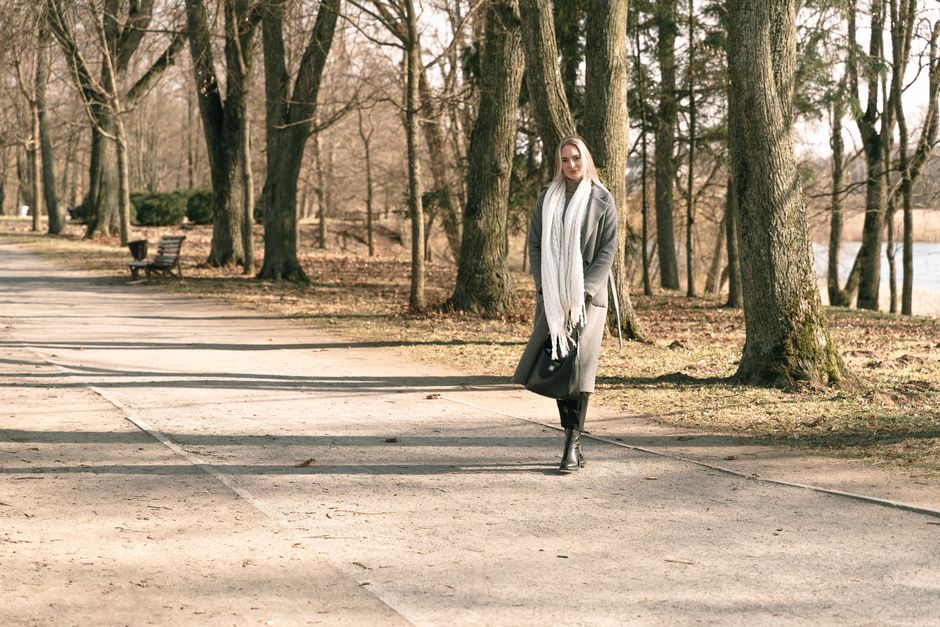
My strongest recommendation is a fine merino knit over a smooth shirt. It handles temperature changes, resists odour better than many cotton blends and adds less width than chunky wool. Product examples help show the difference, but the construction matters more than the logo.
Four practical pieces that layer cleanly
- Uniqlo Extra Fine Merino Crew Neck Sweater: the 100% merino construction and fine knit make it the best budget-style reference for a close middle layer. Pick a size that leaves 4 to 6 centimetres of room at the chest.
- COS Regular-Fit Oxford Shirt: choose the 100% cotton version when you want a firm collar and smooth surface under knitwear. Its regular shape works better than an oversized cut beneath a jacket.
- Patagonia Better Sweater Jacket: the 100% recycled polyester fleece is warm and durable, but it is too bulky under a narrow blazer. Wear it as the outer layer over a shirt instead.
- Barbour Bedale Wax Jacket: the classic 6oz waxed-cotton shell blocks wind and light rain. Its roomy cut suits a fine knit, but a chunky sweater can make the sleeves feel tight.
Buy for the layer you actually lack
If your wardrobe already has heavy sweaters, do not buy another one. Add a thin merino crew neck or a lightweight cardigan. If you own several fine knits but lack weather protection, choose the jacket. For most people, the highest-value purchase is a smooth shirt with a breathable knit because those pieces work across more outfits and seasons.
Autumn layering questions with clear answers
The small details decide if a layered outfit looks deliberate or accidental. These answers settle the most common fit problems.
Should a shirt collar sit inside or outside a sweater?
Let a structured collar sit outside a crew neck when you want a sharper office look. Keep a soft collar inside when the sweater has a relaxed neckline or when you want less contrast. Do not force a wide collar under a narrow crew neck. It will buckle and create a lump at the back of the neck. A button-down collar is the safest option because its points stay in place.
How much shirt should show below the knit?
Show 1 to 3 centimetres of shirt hem for a controlled casual look. More than 5 centimetres can make the torso look divided, especially when the shirt is much longer than the jacket. If the knit and jacket both end at the same point, let the shirt extend slightly to create a clear line. The best result comes from a small, intentional reveal rather than a long tail.
Can a jacket go over a chunky sweater?
Yes, but only when the jacket has a generous armhole, relaxed shoulder and smooth lining. A narrow blazer is the wrong partner. Use a roomy chore jacket, parka or coat instead. The Patagonia Better Sweater Jacket works best outside a shirt rather than under a fitted jacket because its fleece surface needs space. For a polished outfit, use a fine-gauge knit instead. That is the cleaner choice.
When to remove a layer instead of buying a bigger jacket
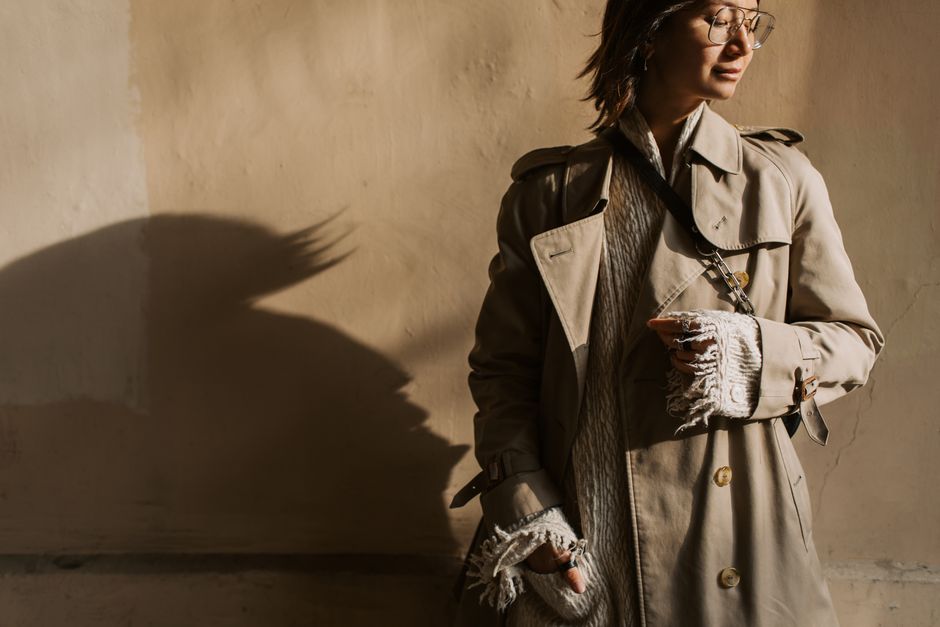
A larger jacket does not fix every tight outfit. Often, it hides the real problem: too much fabric underneath. Before sizing up, remove the thickest piece and rebuild the outfit from the base outward. This keeps the shoulder line clean and stops sleeves from collapsing at the wrist.
Use the pinch test before leaving home
Zip or button the jacket, then pinch the fabric at the chest. You need about 2 to 5 centimetres of usable room for movement, depending on the cut. Raise both arms, sit down and reach forward. If the jacket pulls across the upper back, remove a layer or change the outer shape. If the sleeves ride more than 3 centimetres above the wrist, the jacket is too short for the knit beneath it.
Spot the five common failure modes
- A thick shirt under a thick knit creates pressure at the elbows.
- A short jacket over a long shirt cuts the body into awkward blocks.
- A tight armhole makes every layer feel warmer but limits movement.
- Mixed textures catch on each other and pull the shirt out of place.
- Too many similar dark layers erase the shape of the outfit.
Know when not to add another layer
If you are warm indoors, sweating under the arms or constantly adjusting cuffs, stop adding insulation. Choose a breathable outer layer and leave the knit at home. If rain is the only problem, a light shell over a shirt is better than a heavy sweater under a padded coat. The next stage of autumn dressing will favor lighter fabrics, better ventilation and jackets designed to work with compact layers. That shift makes daily outfits easier to wear, not just easier to style.