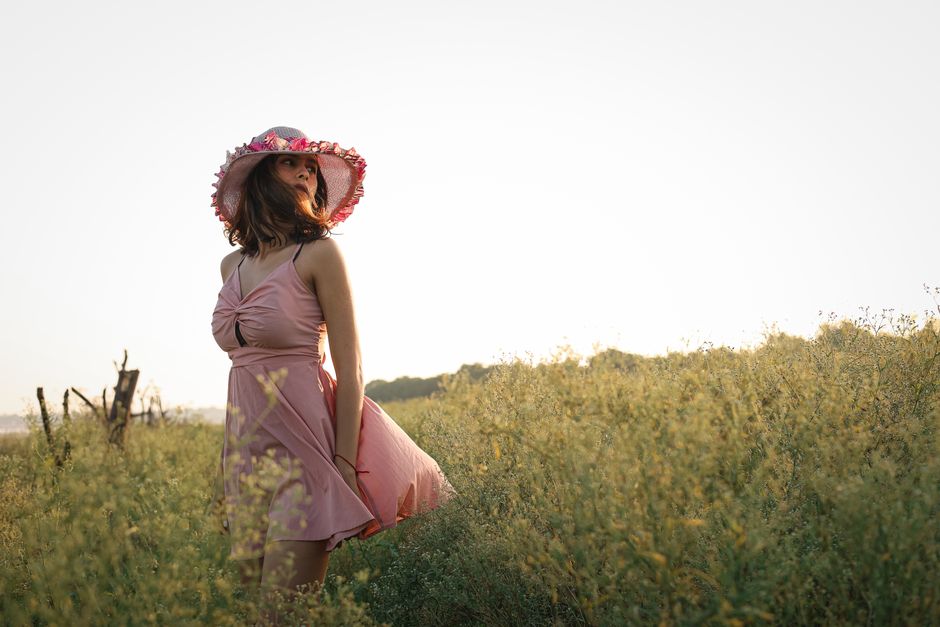
Heatwave dressing is not about wearing as little as possible. It is about moving hot air away from your skin, blocking direct sun, and leaving enough room for sweat to evaporate. The winning combination is a breathable fabric, a loose but deliberate shape, and fewer layers.
Why natural fabrics feel cooler in extreme heat
Fabric and airflow matter more than a “summer” label. A garment can look lightweight and still trap heat if it clings to your chest, cuts into your underarms, or uses a dense synthetic weave. Natural fibers do not magically lower your body temperature, but many of them create a better path for air and moisture to move through the garment.
Airflow beats a thin fabric
Linen works well in heat because its fibers create a slightly open, irregular surface. That texture helps air move across the skin, and the fabric dries faster than heavy cotton when sweat reaches the outer surface. Hemp also has a dry hand and a firm structure, so it can feel less clingy than a soft jersey tee. Lightweight cotton works too, especially in voile, gauze, seersucker, or a loose poplin weave.
The shape has to support the fabric. A loose shirt with a 5 to 8 cm gap between the garment and your torso gives warm air somewhere to escape. A tight linen shirt loses most of its advantage because damp cloth sits directly against the body. This is why a relaxed button-up can feel cooler than a fitted tank top under direct sun.
Sweat changes the fabric choice
Linen is excellent for dry heat and strong sun, but it wrinkles fast and can feel rough when wet. Cotton feels soft and absorbs plenty of moisture, yet saturated cotton dries slowly. Hemp-cotton blends offer more structure and durability, but they may feel heavier than fine linen. Choose the fabric based on the weather you will actually face, not the fiber’s reputation.
The verdict is simple: prioritize an open weave and room around the body, then choose linen for airflow, cotton for softness, or hemp blends for durability.
How to choose a loose shape without looking sloppy
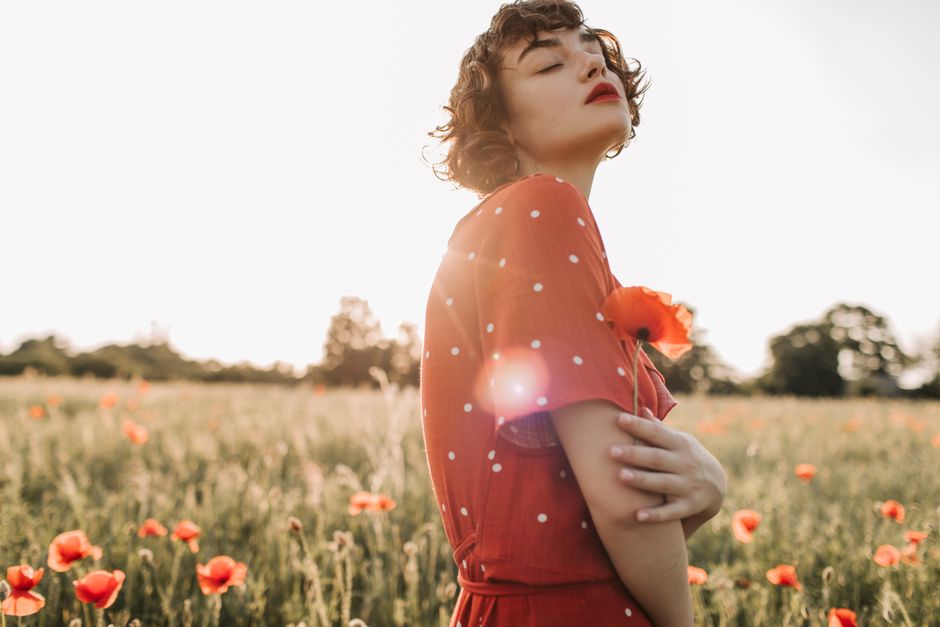
A loose silhouette should create air, not visual chaos. The best heatwave outfit usually has one relaxed piece and one clean, slightly closer piece. Baggy shirt plus wide trousers can work, but only if the fabrics are light and the proportions are controlled.
Measure the breathing room
- Start with your chest measurement and compare it with the garment’s finished chest measurement.
- Look for 5 to 10 cm of extra room in a shirt for everyday heatwave wear. More than 15 cm can look oversized unless the shoulder and hem are sharply designed.
- Check the armhole. You should be able to lift both arms without the fabric pulling across your back.
- Choose sleeves that end above the elbow or can roll neatly. Tight cuffs trap heat at the wrist.
- For trousers, leave roughly 2 to 4 cm between your thigh and the fabric. The waistband should stay secure without digging in when you sit.
Use one controlled proportion
If the top is boxy, keep the bottom straight or lightly tapered. If the trousers are wide, choose a shorter shirt or tuck only the front. A column of one color also makes loose pieces look intentional. White linen with sand-colored trousers, for example, reads as clean rather than oversized.
Check movement before buying
Try sitting, reaching, and raising your arms. A shirt that rides up 10 cm every time you move will make you adjust it all day. Avoid very low armholes if you carry a bag, because the fabric bunches under the strap. The best loose shape is the one you forget you are wearing.
My verdict: buy relaxed cuts with defined shoulders, clean hems, and measurable room. “Oversized” is not a fit plan.
Which summer fabrics and garments win in real heat?
Here are useful benchmarks rather than shopping instructions. Prices are US prices listed or observed in 2026 and can change. The strongest value is not always the cheapest item; it is the garment that gives you airflow, useful coverage, and repeat wear.
| Garment | Material and shape | Listed price | Verdict |
|---|---|---|---|
| Quince 100% European Linen Short Sleeve Shirt | 100% European flax linen; relaxed, boxy short-sleeve cut | $36 | Best budget linen shirt for dry heat and easy outfits |
| MUJI Linen Shirt | Pre-washed French linen; classic long-sleeve button-up | $64.90 | Best for sun coverage and a softer, broken-in feel |
| Patagonia Women’s Work Pocket Tee | 6.6-ounce, 55% industrial hemp and 45% organic cotton jersey | $49 | Best sturdy tee when you want structure and repeat washing |
| tentree West End Shirt | Hemp and TENCEL Lyocell blend; oversized button-down | $98 | Best drapey layer, but too expensive if you only need one shirt |
Pick linen for maximum ventilation
The Quince shirt is the clear value winner because it delivers 100% European flax linen and a boxy fit at a low listed price. It will wrinkle. That is not a defect; it is part of the fabric’s look. The MUJI option costs more, but its long sleeves make more sense for commuting, travel, or places with strong air conditioning.
Pick hemp blends for rougher use
The Patagonia Women’s Work Pocket Tee is not as airy as an open linen shirt, but its 6.6-ounce hemp-cotton jersey has more body and should handle repeated wear better. The tentree West End Shirt gives you more drape and a larger silhouette, yet its $98 price makes it a style purchase, not the first basic to buy.
For most wardrobes, buy the Quince linen shirt first, the MUJI long-sleeve shirt for sun coverage, and choose Patagonia only when durability matters more than maximum ventilation.
What makes a heatwave outfit hotter than it should be?
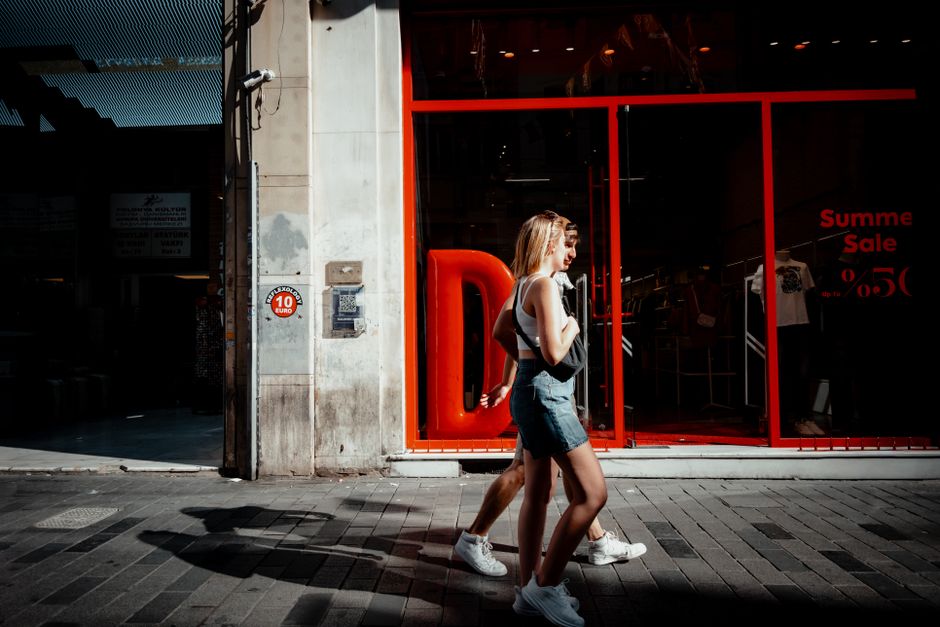
Most bad hot-weather outfits fail through small details. The fiber label gets blamed, but fit, color, lining, and footwear often cause the real problem.
Why does black clothing feel hotter?
Dark colors absorb more sunlight than pale colors, especially when the fabric sits close to the skin. Black linen can still work in shade or indoors, but white, stone, pale blue, and light olive are safer choices for long periods outside.
Why do loose clothes still feel sweaty?
Loose clothing fails when the fabric is heavy, lined, or sealed at the neck and wrists. Avoid polyester lining under linen trousers, dense denim shorts, and double-layered dresses with no side vents. Check the inside of the garment, not just the fiber content on the label.
When should you not buy linen?
Skip linen when you need a crisp, low-maintenance look for hours of sitting or frequent travel. Linen creases quickly, and thin versions can show underwear lines. Choose a lightweight cotton poplin or a hemp-cotton jersey instead. If you sweat heavily at the back and underarms, a slightly structured blend may look better than fine linen that becomes visibly damp.
The verdict: avoid linings, tight necklines, dense weaves, and dark colors for direct sun. A less fashionable garment that dries quickly will serve you better than a beautiful piece you cannot wear comfortably.
How to build a heatwave outfit in ten minutes
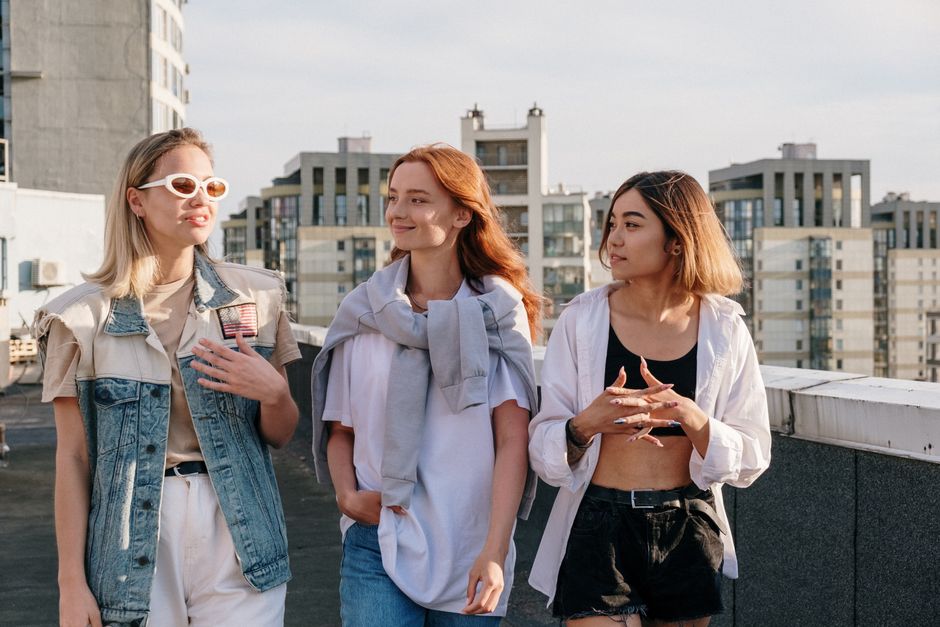
The best heatwave formula is one breathable base, one loose layer, and covered feet that can handle walking. Start there. Do not pile on accessories and then wonder why the outfit feels unbearable.
Use this five-step dressing order
- Put on a lightweight cotton or linen base. Choose a tank, short-sleeve tee, or slip that does not cling under the arms.
- Add one loose outer layer. A linen shirt worn open gives shade without the sealed feeling of a jacket.
- Balance the volume. Pair a boxy top with straight-leg trousers, a column skirt, or shorts that sit cleanly at the waist.
- Choose a breathable shoe. Leather sandals, canvas sneakers, or woven flats work better than foam-lined shoes that hold heat.
- Finish with a sun barrier: a brimmed hat, sunglasses, and a light scarf if your neck or shoulders need coverage.
Three outfits that actually work
For a city commute, wear the Quince 100% European Linen Short Sleeve Shirt over a cotton tank with straight trousers and leather sandals. For a bright outdoor day, choose the MUJI Linen Shirt with loose shorts, sleeves rolled to the forearm, and a woven hat. For errands that involve more movement, use the Patagonia Women’s Work Pocket Tee with wide cotton trousers and canvas sneakers.
Do not buy the tentree West End Shirt unless you want a visibly oversized layer and will wear it often enough to justify $98. It is a good garment, but the Quince shirt solves the basic heat problem for much less.
For temperatures above 30°C, my specific recommendation is a pale 100% linen shirt in a relaxed cut, worn open over a lightweight cotton base with straight or lightly wide trousers. Choose the Quince shirt for the best value, the MUJI shirt for extra sun coverage, and hemp-cotton only when you need more durability than airflow.