
Are your wide-leg trousers swallowing your winter boots, collecting rain at the hem, or making your whole outfit look wider than planned? The fix is not simply adding a taller shoe. You need to match the trouser break, sole height, leg width, and coat shape so the outfit has one clear line from waist to floor.
Start with the hem, then choose the shoe. That order prevents most styling mistakes.
Why wide-leg trousers look bulky with winter shoes
Wide-leg trousers already carry visual volume from the hip to the ankle. Winter shoes add another block of shape underneath, especially when they have a lug sole, padded upper, or high shaft. If the shoe ends at the widest point of the trouser leg, the eye sees two separate horizontal lines. That makes the lower half look short and heavy.
The goal is a continuous column. The trouser should skim over the shoe, while a small amount of the toe or sole gives the fabric a place to land. This creates the right shoe-to-hem gap: enough room for movement, but not enough for the hem to collapse on the pavement.
Use the trouser break to control the silhouette
A full-length wide leg usually needs a soft break over the front of the shoe. The fabric should touch the upper or top edge of the sole, then fall in one clean fold. A cropped wide leg needs more visible shoe and works best with a boot that rises close to the ankle. Avoid an in-between length that finishes halfway down a bulky boot. That cut exposes the widest part of the shoe and interrupts the leg line.
Balance the width above the ankle
Volume needs a counterweight. A fitted knit, tucked shirt, or short jacket keeps the waist visible. With a long oversized coat, use a higher sole or a pointed toe to stop the trousers from disappearing into one large shape. This is the basic rule: wide trousers need either a visible waist or a strong vertical shoe line. You do not need tight clothing everywhere, but one part of the outfit should show structure.
Color also matters. A black boot under black or charcoal trousers creates a longer line than a pale shoe under dark fabric. Contrast can work, but use it deliberately at the toe or sole rather than through a random strip of exposed ankle.
How to set the hem before choosing winter shoes
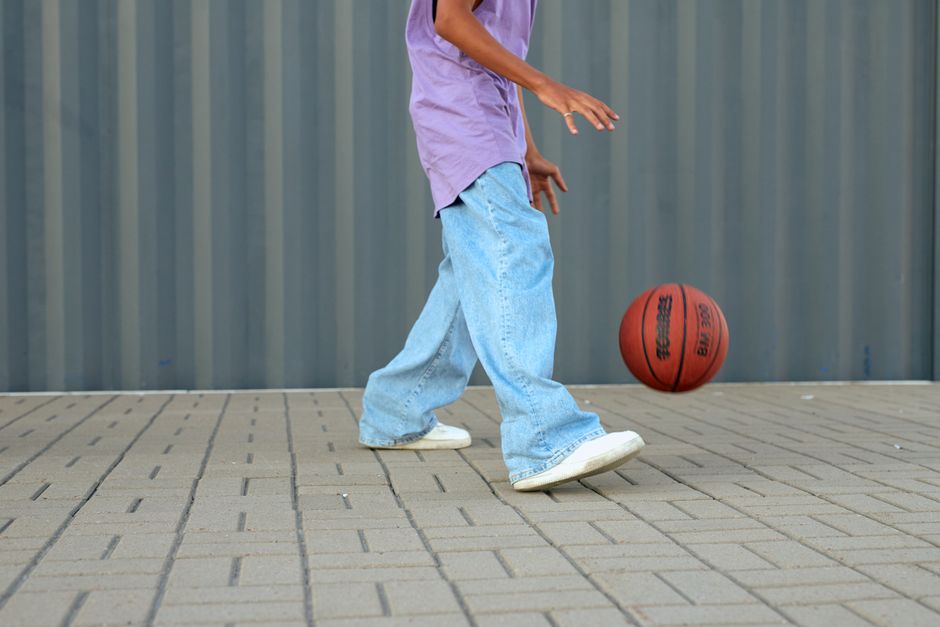
Take your hem measurement while wearing the socks and base layer you actually use in winter. Try the trousers with a straight posture, then walk ten steps. The correct length is the one that survives movement, not the one that looks perfect while you stand still in front of a mirror.
Use these three hem tests
- Stand on a hard floor and let the trousers fall naturally. The back hem should sit just above the floor or lightly touch the top of the sole.
- Walk up stairs. If the hem catches under your heel, shorten it or choose a shoe with a thicker sole.
- Sit down and stand up. If the trouser rises more than 5 centimeters above the shoe, the cut is too short for a full-length styling formula.
Match the hem to the shoe height
| Trouser length | Best shoe height | Useful for |
|---|---|---|
| 1 to 2 centimeters above floor | 3 to 5 centimeter sole or heel | Full-length trousers and long coats |
| 2 to 4 centimeters above floor | Low boot with a 2 to 3 centimeter sole | Daily commuting and cleaner movement |
| 6 to 10 centimeters above floor | Visible ankle boot or high-top shoe | Cropped wide legs and shorter jackets |
| More than 10 centimeters above floor | Mid-calf boot or tall sock boot | Intentional cropped proportions |
Do not tailor the trousers around one pair of shoes if you wear several pairs. For a flexible wardrobe, set the hem for your most-used winter boot and keep a second pair within roughly 2 centimeters of that sole height.
Which winter shoes work with wide-leg trousers
The best shoe depends on the trouser length and the weather you face. Start with the option that solves your main problem: warmth, waterproofing, height, or polish.
- For wet commutes: choose the Timberland Premium 6-Inch Waterproof Boot, usually about $210. Its tall shaft, seam-sealed construction, and substantial sole give a full-length trouser a stable base. Wear it with denim, corduroy, or wool trousers that nearly cover the upper.
- For a softer everyday outfit: choose the Blundstone 585 Classic Chelsea, usually about $220. The elastic sides keep the shoe visually narrow, while the low profile works under trousers with a 2 to 4 centimeter hem gap. Brown suede or leather adds warmth to cream, olive, camel, and dark denim.
- For a sharp city outfit: choose the Vagabond Shoemakers Cosmo 2.0 Chelsea Boot, usually about $160. Its chunky sole adds height without the outdoor look of a hiking boot. Pair it with black wide-leg trousers and a cropped wool jacket.
- For a bold utility look: choose the Dr. Martens 1460 Smooth Leather Boot, usually about $180. The eight-eye shaft remains visible beneath a shorter wide leg, but a full-length trouser should cover most of the lacing. This is the strongest option for cargo trousers and heavy denim, not delicate crepe.
My clear pick for most wardrobes is the Blundstone 585. It handles rain, works with several trouser fabrics, and does not force the outfit into a hard-edged combat-boot look.
The outfit formula that keeps the hem clean
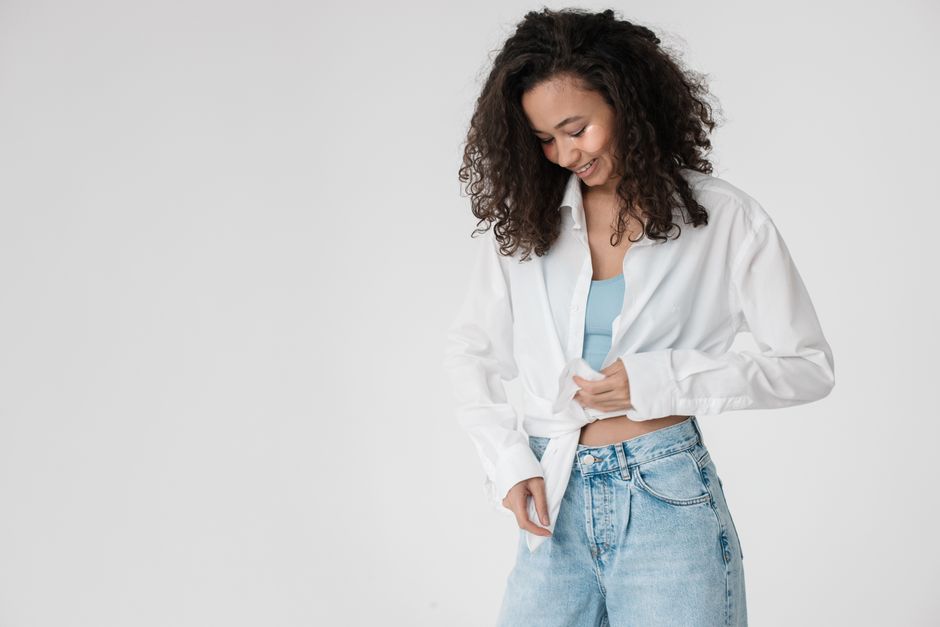
Use a high waist, a fitted upper layer, and a winter boot with enough sole to support the hem. This formula gives wide-leg trousers shape without making the outfit feel tight.
For polished office outfits
Choose wool-blend trousers with a flat front or one front pleat. Aim for a hem that covers most of a low Chelsea boot. Add a fine-gauge turtleneck or fitted button-down, then finish with a single-breasted coat that ends below the knee. Keep the shoe close in color to the trousers. Black trousers with the Vagabond Shoemakers Cosmo 2.0 create a long, clean line, while dark brown trousers with the Blundstone 585 look less formal but more relaxed.
For casual weekend outfits
Use heavier denim, brushed cotton, or corduroy. Let the hem sit slightly higher so the boot shape shows. A tucked sweatshirt, cropped puffer, or waist-length shearling jacket keeps the outfit from becoming one oversized block. The Dr. Martens 1460 works here because its visible laces add detail at the ankle. Keep the rest of the outfit simple: one textured layer, one practical coat, and one clear shoe color.
For snow and slush
Do not let a puddle-ready boot dictate a long, dragging hem. Use the Timberland Premium 6-Inch boot with trousers that finish 2 to 4 centimeters above the top of the sole. If the fabric is delicate, choose a darker synthetic blend that dries quickly. A waterproof shoe cannot rescue trousers that sweep through dirty snow.
Wide-leg trouser questions that prevent common mistakes
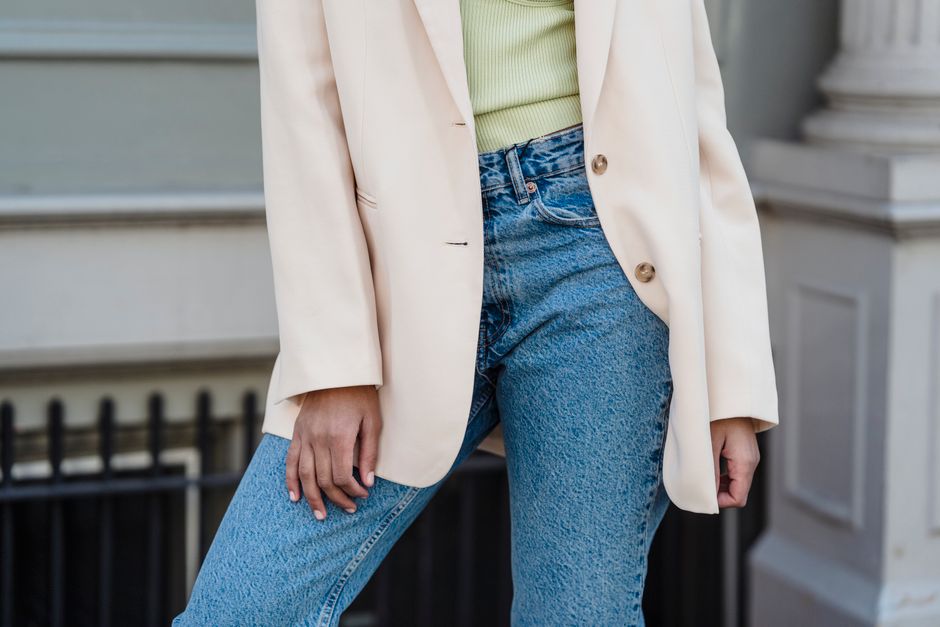
Should winter shoes show under wide-leg trousers?
Yes, but only enough to explain the shape. With full-length trousers, show the toe and a small part of the sole. With cropped trousers, show the whole ankle area and choose a boot with a narrow shaft. The mistake is exposing only the widest section of a chunky shoe.
Can you wear sneakers with wide-leg trousers in winter?
Yes, for dry and mild days. Choose a low-profile leather sneaker with a firm sole, then keep the hem above the ground. Avoid thin canvas shoes in wet weather and avoid a very white sneaker under trousers that already have a wide, pale silhouette. A sneaker works when it adds lightness; it fails when it looks too small for the trouser volume.
When should you not buy a chunky winter boot?
Skip a heavy lug boot if your trousers are made from thin satin, fluid viscose, or soft jersey. The sole will overpower the fabric and pull the hem out of shape. Choose a slim Chelsea boot or a pointed ankle boot instead. Also skip a tall boot when the trouser leg is narrow at the hem; the fabric will bunch around the shaft rather than fall smoothly.
Before leaving home, check three points: the hem clears the ground, the shoe is visible in motion, and the upper half has one defined shape. If those three lines work, wide-leg trousers look intentional in winter instead of bulky.