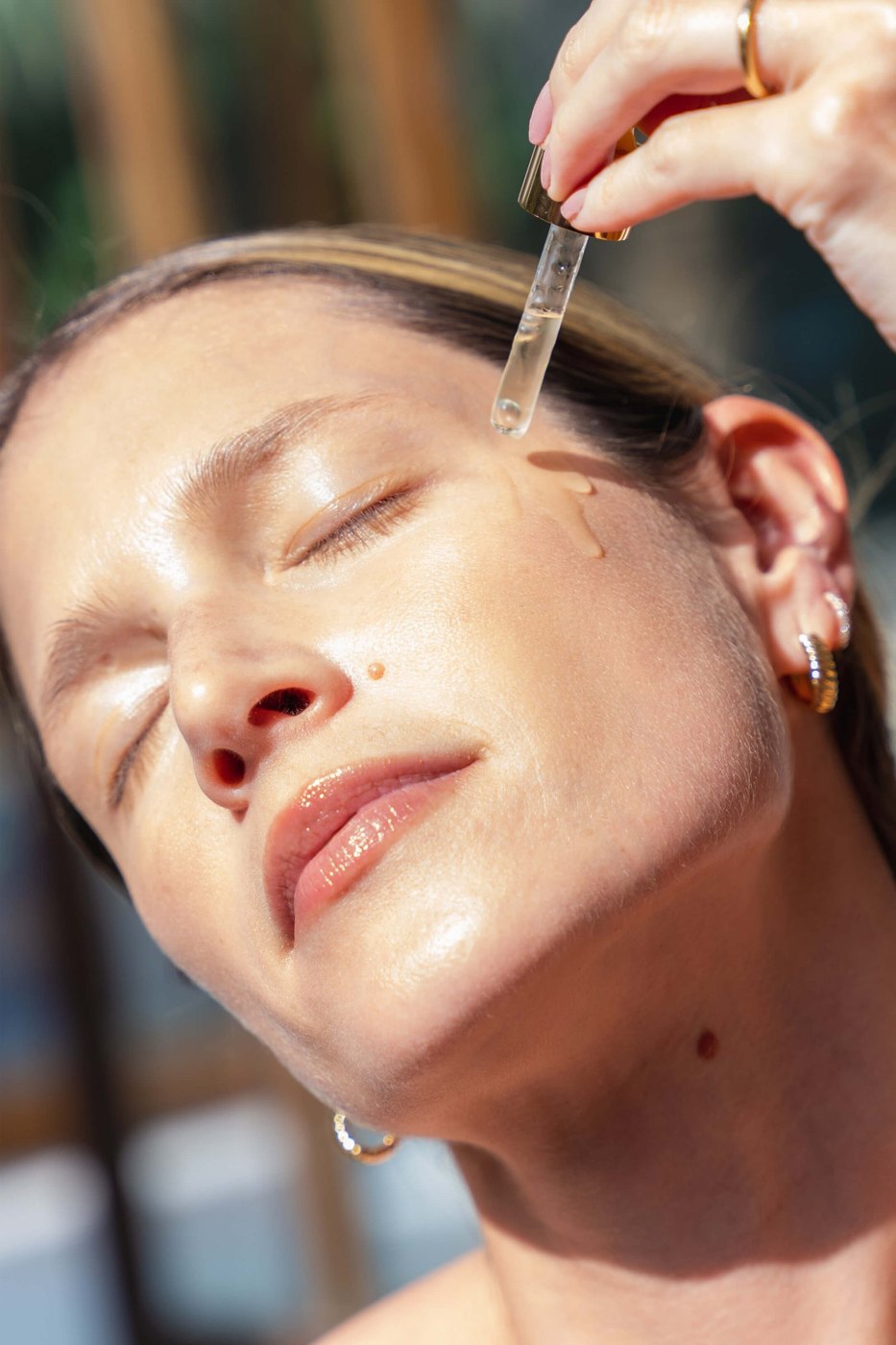

Cold air, indoor heating, and low humidity can leave skin tight while making foundation slide across the nose and forehead. The fix is not automatically a richer cream; it is a measured routine that adds water and barrier support without leaving a wet film.
Why cold weather makes makeup look dry and shiny
The best starting point is to fix the skin barrier before trying to control the finish. Cold wind strips water from the surface, while heated rooms dry the air around your face. Skin then produces more visible oil in some areas and develops rough flakes in others. Foundation catches on the rough spots, reflects light from oily spots, and makes both problems look worse.
The barrier problem is the real starting point
Your outer skin layer works like a wall made from skin cells, lipids, and water. When cold weather and cleansing remove too much of that support, water escapes faster. The result can feel tight immediately after washing, sting when you apply products, or show tiny flakes around the mouth and cheeks. Makeup cannot correct that condition. It only sits on top of it.
A better morning target is comfortable skin with a soft finish, not a glossy layer that feels sealed under foundation. Use a gentle cleanser or lukewarm water, then apply a water-based hydrating layer while the skin still feels slightly damp. Follow with a moisturizer that contains barrier-supporting ingredients such as ceramides, glycerin, squalane, or hyaluronic acid. The exact ingredient list matters less than the amount and the finish left on your skin.
Why extra cream can create more shine
Shine often comes from excess product, not a lack of hydration. A thick cream can leave a film that mixes with foundation, sunscreen, and skin oil. That mixture breaks apart around the nose and chin, then looks shiny on the forehead. Applying a second coat because the first coat feels rich creates a higher chance of pilling without solving the dry feeling underneath.
My verdict is simple: repair the barrier with one thin layer, wait for it to settle, and only add more to visibly dry zones. If your cheeks need a richer product than your forehead, use a face map instead of covering the entire face in the same cream.
How to prep skin under makeup without adding shine

The winning routine has five controlled steps. Each step earns its place by reducing water loss, friction, or makeup separation; anything else is a possible source of shine.
Use this five-step morning sequence
- Clean lightly. Rinse with lukewarm water or use a low-foam cleanser. Skip hot water and rough washcloths because both can increase tightness before makeup starts.
- Add water. Apply a hydrating toner, essence, or serum to slightly damp skin. Look for glycerin, panthenol, beta-glucan, or hyaluronic acid. One layer is enough.
- Moisturize by zone. Use a pea-sized amount for the full face, then add a rice-grain amount only to flaky areas. Keep the nose and center forehead lighter if they become shiny first.
- Apply sunscreen. Use the amount recommended on the package and give it time to settle. Skipping sunscreen to protect a makeup finish creates a much larger tradeoff than a little extra glow.
- Press, do not rub. After the skincare has settled, press a clean tissue over the sides of the nose and forehead. This removes surface residue while leaving the hydration underneath.
Use a timing rule, not more product
Wait about 5 minutes after moisturizer and about 10 minutes after sunscreen before applying foundation. The timing is more useful than adding another serum or primer. If makeup still pills, reduce the amount of the layer that rolls rather than stacking a new product on top. Product pilling usually comes from rubbing, incompatible textures, too much silicone or film-forming material, or a layer that has not settled.
For a shine-free result, apply foundation in a thin center-to-outside layer. Use a damp sponge only where coverage needs softening, and keep a small brush for the nose and mouth. My verdict: the most reliable winter prep routine is light hydration, targeted moisturizer, sunscreen, a short wait, and minimal rubbing.
Which moisturizers give winter hydration without grease?
These prices are typical US retail or list prices and can change by seller. The finish depends on your sunscreen and foundation, but the product size and texture give a useful starting point for comparison.
| Product | Size and typical price | Best use under makeup | Verdict |
|---|---|---|---|
| CeraVe PM Facial Moisturizing Lotion | 3 oz; about $14.99 | Light lotion with ceramides, niacinamide, and hyaluronic acid | Best value for normal to dry skin |
| Vanicream Daily Facial Moisturizer | 2.5 oz; about $13.99 | Simple lotion with ceramides, squalane, and hyaluronic acid | Best pick for sensitive skin |
| La Roche-Posay Toleriane Double Repair Matte Moisturizer | 2.5 oz; about $22.99 | Lower-shine finish with barrier-supporting ingredients | Best for combination skin |
| Embryolisse Lait-Crème Concentré | 2.6 oz; about $29 | Richer cream with a smoother, more emollient feel | Best for flaky cheeks, not oily foreheads |
| Bobbi Brown Vitamin Enriched Face Base | 1.7 oz; about $69 | Rich primer-moisturizer texture with a cosmetic slip | Best for dry makeup days if the budget allows |
| The Ordinary Natural Moisturizing Factors + HA | 1 oz; about $8.90 | Low-cost cream with a natural, non-glossy finish | Best low-cost trial size |
My pick by budget and skin type
For most people, CeraVe PM Facial Moisturizing Lotion is the strongest value because the 3-ounce bottle keeps the cost near $5 per ounce and the lotion does not feel like a sleeping mask under foundation. Vanicream Daily Facial Moisturizer wins for reactive or fragrance-sensitive skin because the formula is straightforward and the finish stays calm when applied sparingly. For an oily center with dry outer cheeks, La Roche-Posay Toleriane Double Repair Matte Moisturizer is the better single-product choice.
Embryolisse Lait-Crème Concentré and Bobbi Brown Vitamin Enriched Face Base are not bad products, but they cost more and leave a richer film. That makes them better targeted to dry patches than spread across an oily T-zone.
How to read the cost without marketing noise
Price per bottle is not the same as price per use. A $69 jar used in a rice-grain amount on dry zones may last longer than a $15 lotion applied too heavily twice a day. For clarity, skincare has no APR range or approval promise: APR is not applicable, and there is no purchase fee beyond the listed retail price. This is not financial advice; compare the finish, amount used, and replacement cost instead of treating a premium label as proof of better makeup performance.
Bottom Line: Vanicream is the safest value pick for sensitive skin, CeraVe PM is the best broad-use budget choice, and La Roche-Posay wins when shine control matters most.
Which primer should you use over winter moisturizer?

A primer should solve one makeup problem, not repeat the job of your moisturizer. Choose a gripping formula when foundation fades, a blurring formula when pores look rough, and a mattifying formula when oil breaks through quickly. For most cold-weather faces, the best primer is the thinnest one that improves wear.
Does a gripping primer help dry patches?
It can, but only after moisturizer has softened the patch. e.l.f. Power Grip Primer costs about $10 for 0.811 ounces and gives foundation a tacky surface. It is the best low-cost test if makeup disappears from the cheeks or around the nose. Milk Makeup Hydro Grip Primer costs about $38 for 1.52 ounces and feels more cushiony, but the extra price does not guarantee a better result. If either product rolls, use less and stop rubbing once the primer covers the area.
Can a mattifying primer work in cold weather?
Yes, if you restrict it to the oily zones. Laura Mercier Pure Canvas Primer Blurring costs about $49 for 1.7 ounces and is a better choice for visible pores and excess shine than for flaky cheeks. Smashbox Photo Finish Control Mattifying Primer costs about $42 for 1 ounce and suits people whose foundation separates on the forehead and nose within a few hours. Neither should cover a tight, peeling cheek because the finish can emphasize texture.
What is the best one-product primer choice?
For the fewest layers, choose e.l.f. Power Grip Primer when longevity is the main problem and Laura Mercier Pure Canvas Blurring Primer when texture and shine are the main problems. Do not use both across the entire face. My verdict is to use one primer only, apply a thin half-pea amount to the areas that need it, and leave the rest of the face with settled skincare.
Bottom Line: e.l.f. Power Grip is the clear budget winner, while Laura Mercier is the better targeted choice for a shiny, textured T-zone.
What causes flakes, shine, and makeup separation?
The fastest fix is to remove one layer before adding another. Most winter makeup failures come from excess product, rushed timing, or putting a finish-control product on skin that still needs basic comfort.
Mistake 1: treating every dry patch with a full-face cream
Rich moisturizer across the whole face can solve cheek tightness while creating forehead shine, especially under a dewy foundation. Apply richer skincare only where the skin actually feels rough, then keep the center of the face light. If flakes remain after several mornings, pause exfoliating acids and scrubs instead of increasing cream; damaged skin often needs less friction and fewer active steps.
Mistake 2: rubbing layers until they roll
Rubbing blends skincare into a film that can ball up under sunscreen or foundation. Press each layer into the skin, wait until the surface feels settled, and use a clean tissue to lift residue. Another common error is applying foundation before sunscreen has dried. That drags the sunscreen into uneven patches and makes the final finish look both shiny and thin. My verdict: change the order, amount, and wait time before buying a stronger primer.
How should you choose by skin type and climate?
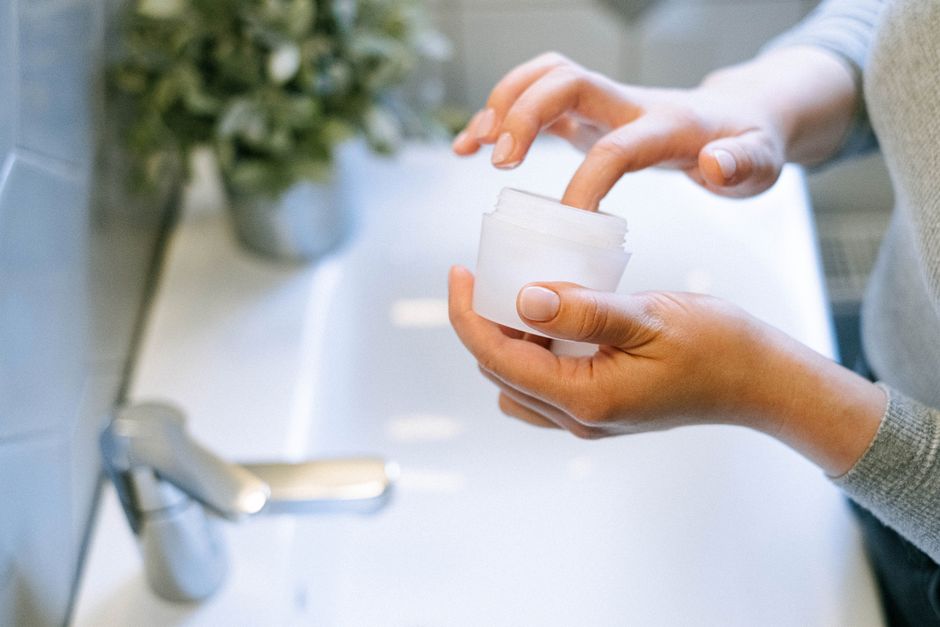
For most winter makeup routines, choose the lightest moisturizer that stops tightness, then add richness only to dry zones. This gives a cleaner finish than buying one heavy cream and asking it to work everywhere.
Dry or sensitive skin
Vanicream Daily Facial Moisturizer is my first pick for dry, sensitive skin because it offers a simple barrier-focused base at about $13.99 for 2.5 ounces. CeraVe PM is the better alternative if you prefer a slightly lighter lotion and want a larger 3-ounce bottle. Use either product on damp skin, but keep the amount small under foundation. If the cheeks still feel tight, add a second tiny layer there after the first layer settles. Do not add the second layer to the forehead by default.
Combination or oily skin
La Roche-Posay Toleriane Double Repair Matte Moisturizer is the strongest single-product choice for combination skin because its finish reduces the need for a separate mattifying primer. Apply it to the forehead, nose, and chin, then use CeraVe PM or a richer cream only on dry outer cheeks if needed. If foundation still separates, use e.l.f. Power Grip Primer only around the nose and mouth. This targeted setup costs less and creates less texture than layering moisturizer and primer across the entire face.
When not to buy a richer product
Do not buy Bobbi Brown Vitamin Enriched Face Base or Embryolisse Lait-Crème Concentré simply because your makeup looks dry after a few hours. The problem may be too much powder, a drying foundation, hot indoor air, or sunscreen that has not settled. A richer product makes sense for genuinely flaky cheeks, cold outdoor exposure, or a satin foundation that needs more slip. It does not make sense for an oily T-zone that already becomes reflective before lunch.
The single most important rule is to use thin, timed layers and match richer hydration to dry zones instead of covering the whole face in shine.