
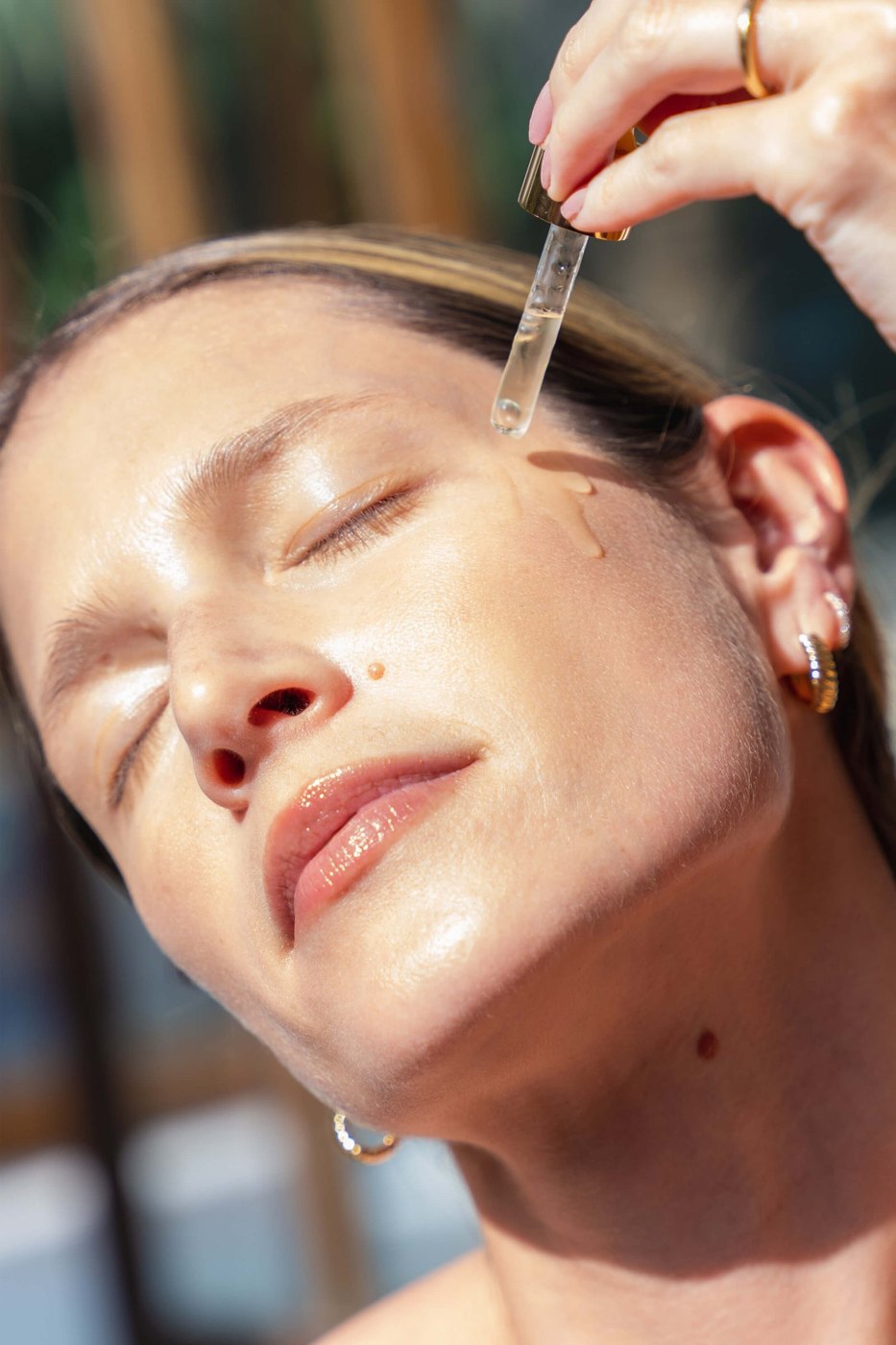
Four separate films can sit on your face before foundation starts: serum, moisturizer, sunscreen, and primer. The surprising part is that the most expensive layer is often the one that causes the visible flakes. A lightweight serum should add water or a targeted active without leaving a thick film that fights your sunscreen. The goal is not the longest routine. It is a smooth base that sets fast, stays comfortable, and does not turn makeup into a texture test.
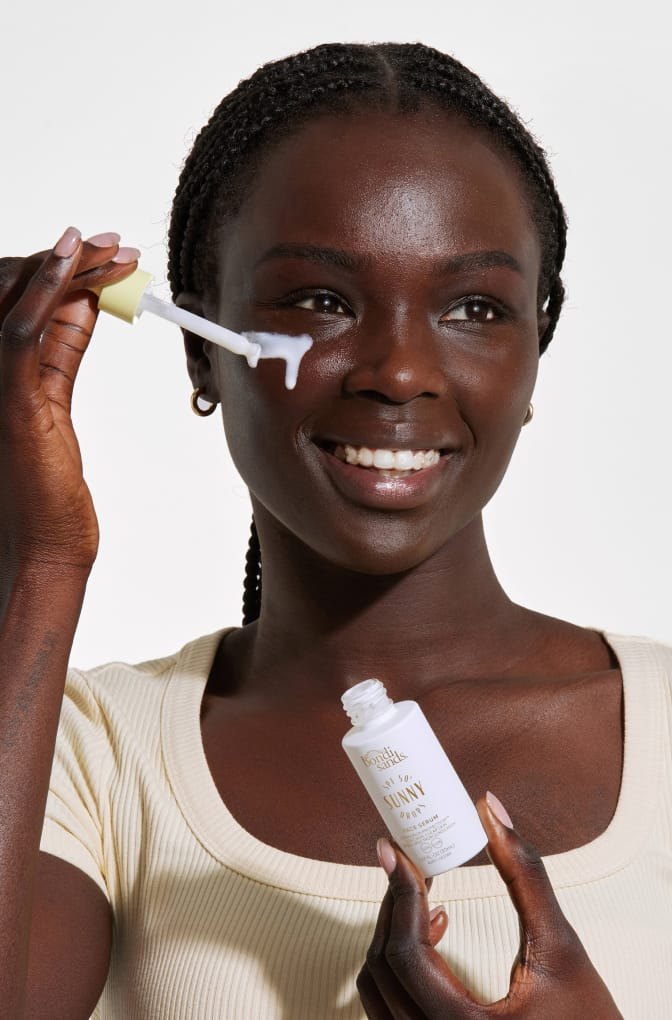
APR: 0%. Serums do not carry interest rates, approval odds, or finance fees. The real fee is pilling: five to ten wasted minutes, extra makeup, and sometimes a product you cannot use. This is not financial advice.
Why Lightweight Serums Pill Under Sunscreen and Makeup
Pilling happens when layers fail to form one even film. A serum may contain water, humectants, oils, polymers, or silicones. Sunscreen adds another set of filters, solvents, and film-forming ingredients. When you rub the layers together before they settle, the surface can roll into small flakes.
The first-principles problem is film formation
Skin does not absorb every product completely. Some ingredients move into the upper layers of the skin, while others remain on top to hold water or create slip. That surface layer is useful until the next product grabs it and moves it around. A gel serum with a high amount of glycerin can feel light at first, then turn tacky under sunscreen. A silicone-heavy serum can feel smooth but may ball up when a water-rich sunscreen spreads over it. The best under-makeup formula leaves a thin, even film rather than a wet or sticky one.
Set time matters more than a luxury label
Give the serum 60 to 120 seconds before sunscreen. Press the next layer on instead of scrubbing it across the face. Use less serum than you would at night: one or two drops for the whole face is often enough. If the surface still feels slippery after two minutes, the formula is a poor match for that morning routine. The clear verdict is simple: a cheap, thin serum that sets cleanly beats a premium serum that makes foundation separate.
Which Serum Textures Stay Smooth Under Makeup?
The best choice for makeup is a low-residue formula with a clear job. The table below compares familiar products by texture and formula details, not by influencer hype. Product prices change by country and retailer, so texture and ingredient load offer a more useful comparison than a temporary sale price.
Texture comparison for a morning routine
| Product | Formula detail | Best use under makeup | Main risk |
|---|---|---|---|
| The Ordinary Marine Hyaluronics | 30 mL, very watery hydration serum | Fastest set for dehydrated skin | Can feel tacky if you apply too much |
| Vichy Minéral 89 | 50 mL gel serum with 89% volcanic mineralizing water | Comfort for normal or dry skin | Gel slip can fight a rich sunscreen |
| Beauty of Joseon Glow Serum: Propolis + Niacinamide | 60 mL, 60% propolis and 2% niacinamide | Soft glow with light moisture | Richer feel under dewy foundation |
| La Roche-Posay Hyalu B5 Serum | 30 mL, hyaluronic acid and vitamin B5 | Plumper feel for dry skin | May pill with multiple silicone layers |
| Naturium Niacinamide Serum 12% Plus Zinc 2% | 12% niacinamide and 2% zinc PCA | Oil-control routines | High active load can sting sensitive skin |
The strongest first pick
For the widest range of makeup routines, The Ordinary Marine Hyaluronics is the best first test because its watery texture adds little surface weight. For dry skin that needs more cushion, Vichy Minéral 89 is the better pick, provided the sunscreen is also light. Beauty of Joseon Glow Serum wins for a soft glow, while Naturium is the focused choice for oily skin that tolerates niacinamide. Bottom Line: choose the thinnest formula that solves your actual skin problem, not the formula with the longest ingredient list.
How to Layer Serum, Sunscreen, and Makeup Without Pilling
A reliable morning routine needs fewer rubbing motions and more time between layers. The order is easy; the amount and pressure decide the result.
Use this four-step routine
- Start with clean, slightly damp skin. Apply one or two drops of serum across the cheeks, forehead, and chin. Spread it once, then stop touching the skin.
- Wait 60 to 120 seconds. The surface should feel comfortable, not wet or slippery. If it still feels tacky, reduce the serum next time.
- Apply sunscreen in an even layer. Use the amount recommended on the label. Many dermatologists use two finger lengths for the face, but face-and-neck coverage needs more than face-only coverage.
- Give sunscreen time to settle. Wait about five minutes before foundation. Press makeup on with a sponge or fingers instead of dragging it across the sunscreen film.
Run the touch test before makeup
Touch the side of your cheek with a clean fingertip. A smooth, lightly cushioned surface is ready. A gummy surface means the serum or sunscreen has not set. Tiny rolls on your fingertip predict pilling under foundation, so fix the routine before adding color. The practical verdict: remove one layer before changing your foundation. Extra products create more points of failure.
Can a Lightweight Serum Replace Moisturizer or Primer?
Sometimes, but not by default. A serum usually targets hydration or one active ingredient. Moisturizer controls water loss with a more complete mix of humectants, emollients, and occlusives. Primer changes how makeup grips and reflects light. Those jobs overlap, but they are not identical.
Can serum replace moisturizer?
A lightweight serum can replace moisturizer in humid weather or on oily skin when sunscreen already feels comfortable. Test that routine for several mornings. If the cheeks feel tight by midday, the serum has added water without enough support to keep it there. Dry or windy conditions usually call for moisturizer, but use a thin layer and let it set before sunscreen. The clear winner for oily skin is the shortest routine that prevents tightness without shine.
Can serum replace primer?
Serum is not a reliable primer substitute. Primer can blur pores, reduce shine, or improve foundation grip through a specific texture. A serum mainly changes skin feel. If your makeup separates around the nose, adding more serum will rarely solve it. Reduce the skincare layers first, then use a small amount of primer only where the problem appears.
Does sunscreen need a separate moisturizer?
Some sunscreens feel moisturizing enough for the morning. Others leave dry patches within an hour. Apply sunscreen alone on one side of the face and sunscreen over moisturizer on the other side for three mornings. Keep the side that stays comfortable and smooth. This test is more useful than a universal rule because it measures your actual formula combination.
Which Ingredients Cause the Most Base-Makeup Problems?
My opinion: reduce residue before changing brands. Most morning failures come from quantity, friction, or incompatible finish rather than one evil ingredient. For most makeup users, The Ordinary Marine Hyaluronics is the cleanest starting point. It keeps the hydration step thin, which leaves sunscreen room to form its own film.
Watch these three failure modes
- Too many tacky humectants: glycerin, hyaluronic acid, and propanediol can feel smooth alone but sticky in layers. Use less product and allow more set time.
- High active loads: Naturium Niacinamide Serum 12% Plus Zinc 2% offers a clear oil-control angle, but a high percentage can sting or create rough patches for sensitive skin. Irritated texture makes foundation look worse.
- Heavy finish stacking: La Roche-Posay Hyalu B5 Serum, a rich moisturizer, dewy sunscreen, and luminous foundation can create too much slip. Remove one glossy layer before blaming the serum.
When a richer serum earns its place
Beauty of Joseon Glow Serum is the better choice when the goal is a soft, moisturized finish rather than the fastest dry-down. Vichy Minéral 89 makes more sense for dry skin that feels tight under sunscreen. Neither wins when your makeup already looks shiny or slides around the nose. For oily skin, the strongest verdict is a thin serum, light sunscreen, and no extra primer across the full face.
Test one change at a time
Keep the sunscreen and foundation fixed for three mornings. Change only the serum. Apply the same amount at the same time and record pilling, shine, tightness, and wear after four hours. This simple test beats buying three new products at once because it shows which layer created the fee. Bottom Line: the best serum under makeup is the one that leaves the fewest variables behind.
When Should You Skip Serum Under Sunscreen?
Skipping serum is a valid skincare decision, not a failure to complete a routine. Sunscreen already does the main daytime protection job, and makeup does not require a separate hydration step if skin feels comfortable without one.
Skip the extra layer when the base already works
Do not buy a serum for a problem you cannot see. If sunscreen spreads evenly, foundation stays smooth, and your skin does not feel tight, a serum may add cost without adding a useful result. Skip it before events where makeup must last for hours. Fewer layers reduce the chance of rolling, shine, and irritation. Skip it during a new breakout or reaction until you know which product caused the change.
Choose a different category when the need is specific
Use moisturizer instead of serum when dryness is the main complaint. Use a targeted treatment at night when an active ingredient needs more testing time. Use primer when the real issue is pore blur, oil control, or foundation grip. Use sunscreen alone when protection and comfort are already covered. The strongest buying rule is to name the problem first, then decide if a serum solves it.
Thin layers, enough set time, and a compatible finish matter more than an expensive serum label under sunscreen and makeup.