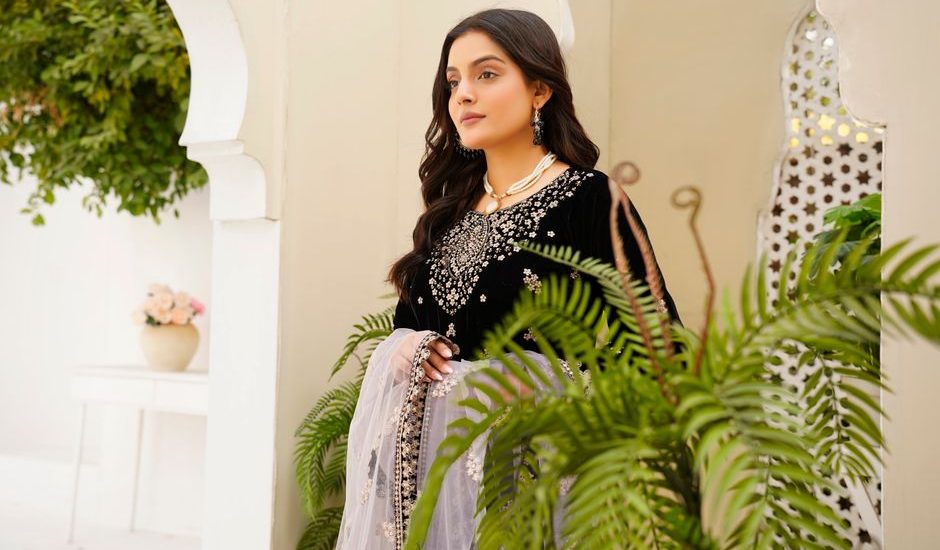
How do you choose a velvet dress for a winter party that looks rich, feels comfortable, and still fits the dress code? Start with the fabric and shape, not the color. Velvet can hide poor construction under a soft shine, while a well-cut dress can look polished even at a moderate price. The goal is a dress with enough structure for photos, enough room for sitting and walking, and a surface that suits the venue.
This guide treats the purchase like a careful wardrobe decision. It explains velvet pile, lining, measurements, party formality, layering, and common mistakes. It also compares five real dresses with recent listed prices, but it does not use affiliate links. Prices and stock can change. This is not legal advice — consult a licensed attorney.
How to choose the right velvet dress fit

Measure the body, then compare the garment
Take bust, natural waist, and fullest hip measurements while wearing the undergarments you expect to wear with the dress. Keep the tape level and relaxed. Then compare those numbers with the brand’s garment chart. Do not assume that a medium in one label will match a medium in another. Velvet’s stretch can make a dress feel forgiving in one area while its lining, zipper, or waistband limits movement somewhere else.
- Bust: Look for a smooth neckline with no horizontal pulling. A wrap front should overlap securely when you bend forward.
- Waist: The seam should sit at the body’s natural waist unless the dress is intentionally dropped or empire-cut. A waist seam that rides upward can make the torso look short.
- Hips: Leave enough room to sit without stretching the pile. A pencil or column shape usually needs more ease than a skater skirt.
- Length: For a midi dress, the hem often looks most balanced between mid-calf and a few inches above the ankle. Check the hem with the shoes you will wear.
- Sleeves: Bend your arms and reach forward. If the upper sleeve pulls, a coat will feel restrictive later.
Match the silhouette to the movement of the event
Choose a fitted sheath for a seated dinner, provided the fabric has enough stretch and the slit allows walking. A wrap dress gives more room through the waist and can work well when the meal is long or the event includes dancing. An A-line or softly pleated skirt is usually the safest option for standing receptions because it does not force the wearer to keep adjusting the hem.
For petite frames, a defined waist and a hem that ends above the widest part of the calf can prevent a heavy velvet dress from overwhelming the body. For taller frames, a longer midi or column shape can use velvet’s weight to create a clean line. These are visual guidelines, not rules. The final test is movement: sit, raise your arms, take stairs, and turn in front of a mirror.
Common fit mistakes to reject at the fitting room
- Buying a dress one size too small because the stretch makes it zip.
- Ignoring the lining because the outer velvet feels soft.
- Choosing a long hem without checking whether it catches under the heel.
- Assuming ruching hides every fit issue. Poorly placed ruching can add bulk at the exact point it is meant to soften.
- Testing only with bare legs when the outfit will include opaque tights or thermal hosiery.
Verdict: For most winter parties, a lined wrap or gently shaped A-line is the most reliable fit. Pick a body-skimming sheath only when you can sit, walk, and breathe comfortably in it.
How to style velvet without making the outfit look heavy
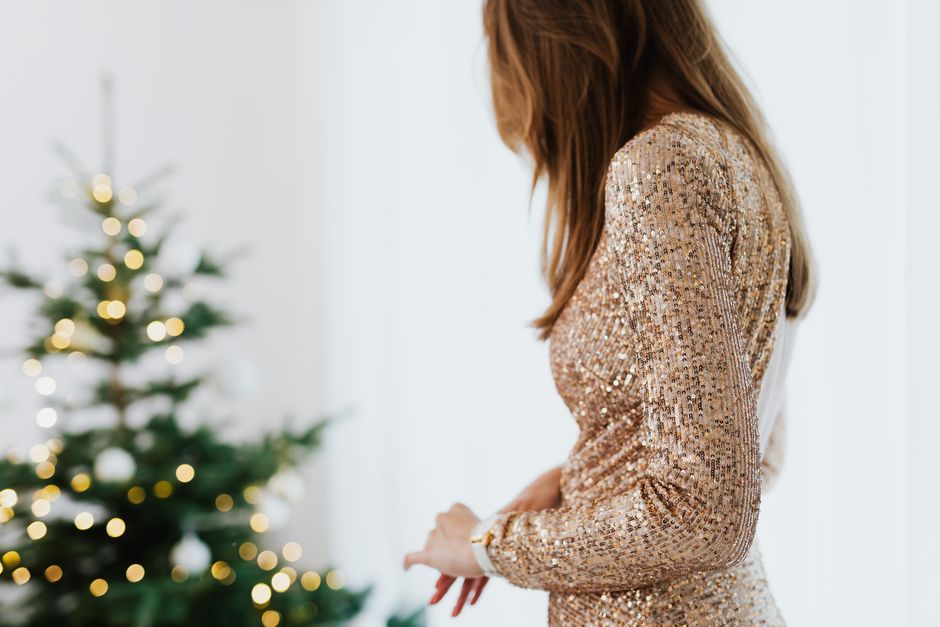
My strongest styling opinion: velvet needs one clean contrast. Pairing velvet with more velvet, ornate jewelry, glossy shoes, and a heavily decorated bag can make the outfit look costume-like. The better approach is to let the dress provide the texture and use smooth, simple accessories around it.
Build the outfit around texture
With a dark velvet dress, choose one polished surface: satin pumps, patent leather flats, a metal clutch, or a smooth wool coat. With a bright or jewel-toned dress, matte shoes can calm the look. Black tights work with black, navy, burgundy, and emerald velvet, but sheer tights can make a midi look lighter for an indoor dinner.
Jewelry should follow the neckline. A one-shoulder dress usually needs one strong earring or a slim bracelet, not a competing necklace. A square neckline can take a short pendant. A high neckline often looks best with earrings alone. Keep the bag small enough that it does not press the pile against the body during the evening.
Avoid the mistakes that damage velvet
- Do not iron velvet directly. Use a steamer from a short distance and test an inside seam first.
- Do not hang a velvet dress on a narrow wire hanger. A padded hanger helps prevent shoulder dents.
- Do not rub spills into the pile. Blot gently, then follow the care label or use a cleaner experienced with velvet.
- Do not wear a rough crossbody strap over the dress for hours. It can crush the pile and leave a visible track.
- Do not add a bulky cardigan over a structured velvet dress. Use a smooth coat, cropped jacket, or fine knit layer instead.
Before leaving, check the dress under the actual lighting at the venue if possible. Velvet can look nearly black in one room and richly colored in another. Take a phone photo from several feet away. If the dress appears flat, add shape through the waist, neckline, or shoes rather than more decoration.
Verdict: The most successful styling formula is one velvet statement, one smooth accessory finish, and a coat that lets the shoulders and hem move freely.
Which velvet dress should you buy for your event?

What is the best velvet dress for a first winter party purchase?
Choose a lined midi with a defined waist and moderate stretch. The Adrianna Papell Velvet Bell Sleeve Sheath Dress is the strongest formal example, while the CeCe Bubble Sleeve Velvet Shift Dress is better for comfort and a looser fit. If you expect several different events, the sheath has more range with a blazer, while the shift is less dependent on precise waist fit.
When should you avoid velvet?
Skip velvet when the event is outdoors for several hours, when you need a dress that packs into a small bag, or when the venue has a tropical or beach setting. Velvet can crease, collect lint, and feel too warm indoors. A wool crepe dress, satin slip dress with a coat, or heavy jersey dress may serve those situations better. Do not buy velvet solely because it looks festive online. Buy it when the fabric’s weight and light-catching surface solve a real wardrobe need.
Is a short velvet dress appropriate for a formal party?
It can be, but the rest of the outfit must carry the formality. A short dress needs a refined neckline, opaque or sheer hosiery suited to the venue, polished shoes, and restrained accessories. For black-tie invitations, a gown such as the Alex Evenings Stretch Velvet Gown remains the safer choice. For cocktail attire, the ASTR one-shoulder midi or a similarly refined knee-length cut is easier to defend.
What is the final buying test?
Wear the exact undergarments, shoes, tights, and coat you plan to use. Sit for ten minutes, walk across the room, raise your arms, and inspect the fabric in bright and low light. If the velvet pulls, the lining clings, the zipper buckles, or the hem catches, return it. A winter party dress should make the opening question easy to answer: the best choice is the one that keeps its shape, supports the event’s dress code, and lets you move without constant adjustment.