

The pilling fix starts with fewer layers
The most reliable way to stop moisturiser pilling is to use fewer products, smaller amounts, and more time between layers. Dry winter skin often feels as if it needs a thick stack of hydrating products. That approach can create a loose film on the surface instead of sending useful moisture into the outer skin layer.
Pilling happens when products roll into small flakes under your fingers. The usual causes are excess product, rubbing, fast layering, and formulas that leave overlapping films. Some serums contain gums, silicones, or film-forming polymers. Those ingredients are not automatically bad. They can become a problem when several layers use the same type of coating.
Give every layer one job
A simple winter routine has three jobs: add water, soften the skin, and slow water loss. A hydrating step adds water-binding ingredients. A moisturiser adds oils and emollients that smooth rough patches. An occlusive layer, used only where needed, reduces evaporation. One product can cover two jobs, so a five-step routine is rarely five times better.
Use this starting schedule
| Layer | Starting amount | Wait time | Purpose |
|---|---|---|---|
| Hydrating serum | 2 to 3 drops | 30 to 60 seconds | Add water-binding ingredients |
| Face moisturiser | 1 to 2 pea-sized amounts | 2 to 3 minutes | Soften and support the barrier |
| Occlusive balm | Rice-grain amount per dry area | 5 minutes before makeup | Reduce water loss |
Start with the lowest amount that stops tightness. Add more only to the cheeks, around the mouth, or other dry zones. Covering the whole face with the heaviest layer often causes shine, clogged-feeling texture, and more rubbing when you apply sunscreen or makeup.
A three-step order prevents most winter pilling
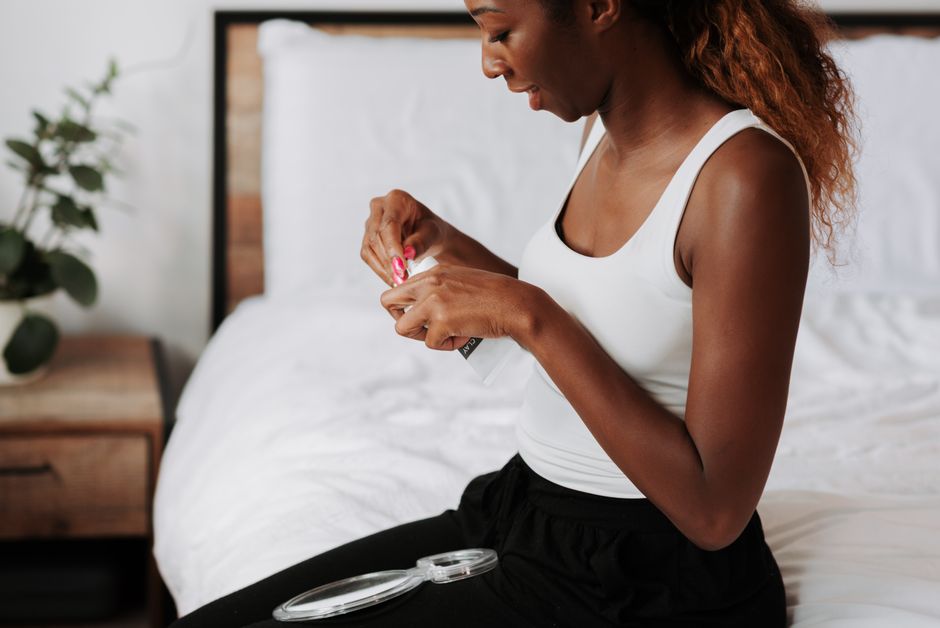
Apply products from the thinnest water-based texture to the thickest cream, then stop. This order works because each layer has time to settle before the next one changes the surface.
- Cleanse with lukewarm water and a mild cleanser, then pat until the skin is damp rather than wet.
- Apply a thin hydrating layer while the face still has a little water on it. Press with flat fingers instead of massaging for a full minute.
- Wait 30 to 60 seconds. If the product still feels slippery, wait longer.
- Apply moisturiser in two small dots on each cheek, one on the forehead, and one on the chin. Spread outward once, then leave it alone.
- Wait two to three minutes before sunscreen or makeup. A tissue pressed lightly over the T-zone can remove excess surface film without stripping the cheeks.
Press instead of rubbing
Rubbing creates friction and gathers soft product films into rolls. Pressing gives the formula a better chance to form an even layer. This matters most around the nose, hairline, and jaw, where dry flakes already make the surface uneven. If you need to blend, use three or four slow strokes and stop when the shine looks even.
Keep sunscreen outside the moisturiser experiment
Change one part of the routine at a time. If you add a new serum, moisturiser, and sunscreen on the same morning, you cannot identify which layer causes pilling. Test the moisturiser with your usual sunscreen on one cheek for three mornings. That small comparison gives a clearer answer than judging the full face after a rushed application.
For dry winter skin, creams beat stacked serums
My clear pick for cold, dry weather is one well-formulated cream over several watery serums. Creams give dry skin the oil phase it lacks, while multiple serums can leave too much water-binding film on the surface. The right choice depends on sensitivity and dryness, but the order of preference is clear: choose the formula that solves the main problem with the fewest layers.
Best for very dry, rough skin
La Roche-Posay Lipikar Baume AP+M is the strongest choice for very dry facial areas when a richer balm does not irritate you. Its 400 mL pump format also works for neck and body, so it can replace separate products in a winter routine. Apply a thin layer to damp skin and give it three minutes before sunscreen. If it feels greasy, use it only on the cheeks and switch to a lighter cream on the forehead.
Best for sensitive or reactive skin
Vanicream Moisturizing Cream in the 453 g tub is the better pick when fragrance and complex formulas trigger discomfort. It has a dense texture, so start with half a pea-sized amount for the whole face. CeraVe Moisturising Cream in the 454 g tub is a practical choice for normal-to-dry skin that wants a lighter spread and familiar barrier-supporting ingredients. For rough, flaky skin on the face or body, Eucerin UreaRepair PLUS 5% Urea Cream in the 450 mL format is more targeted because urea helps soften rough surface cells. Do not use a urea cream on cracked areas if it stings sharply.
These products should not be layered together. Pick one main cream, then judge the result for five to seven days. Adding a second heavy moisturiser usually increases surface residue rather than improving the barrier.
When pilling remains, cut steps before changing brands
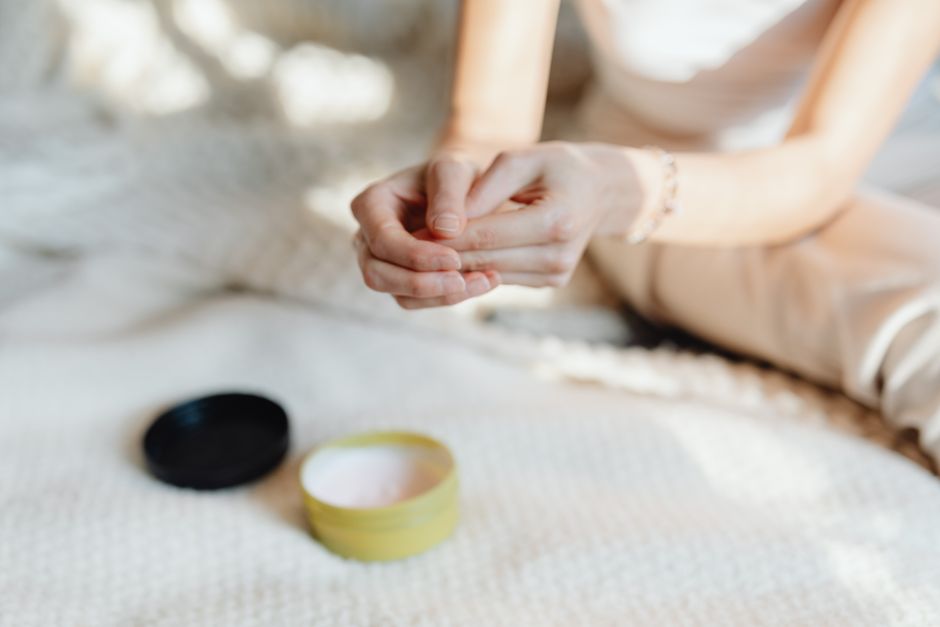
Pilling is usually a routine-design problem before it is a product-quality problem. Remove one layer, reduce the amount, and test again on clean skin. That three-day reset often reveals more than buying another moisturiser.
Why does moisturiser pill after a serum?
The serum may contain a high level of gums or film-forming ingredients, or you may be applying too much. Use two drops instead of a full dropper and wait until the tacky feeling has mostly faded. If rolling continues, skip the serum for three mornings. If the moisturiser sits smoothly without it, the serum is the layer to replace or move to evening.
Why does makeup make the problem worse?
Foundation adds another film and increases friction from brushes, sponges, and fingers. Let moisturiser settle for at least three minutes, then remove surface excess with a single tissue press. Apply foundation by tapping instead of buffing. If pilling still appears, use less moisturiser under makeup and apply the richer cream at night instead.
Do not scrub away the rolls. Scrubbing can remove healthy surface cells and make winter dryness worse. Wash gently, pat dry, and restart with one hydrating layer plus one cream.
The most reliable winter routine is short and timed
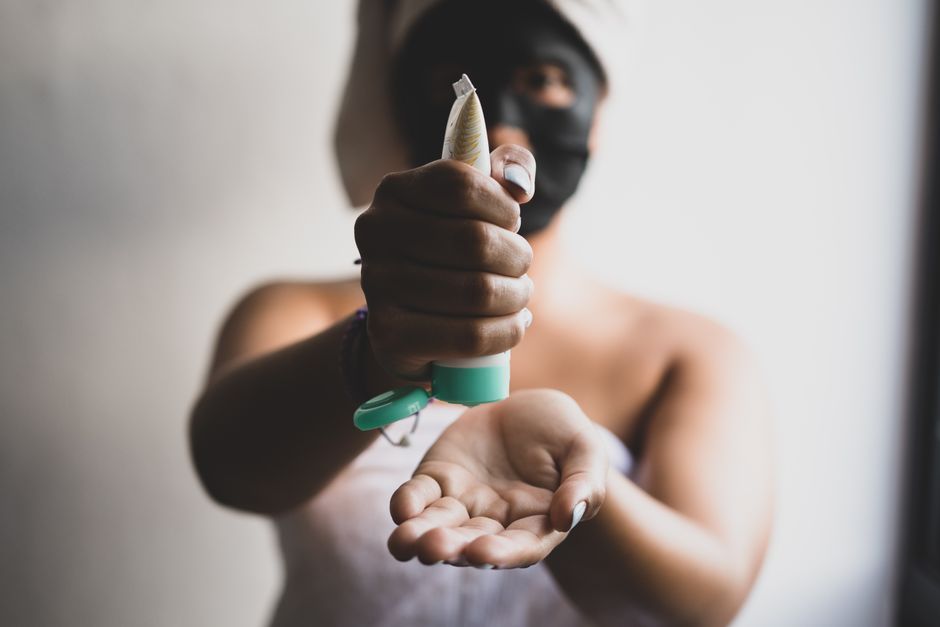
For dry winter skin that pills easily, use one hydrating step, one barrier-supporting moisturiser, and a three-minute pause before sunscreen. This is the routine I would choose because it controls the two variables that cause most failures: excess product and friction.
Morning routine
Rinse or cleanse with lukewarm water. Apply two to three drops of a hydrating serum only if the skin feels tight after cleansing. Wait 30 to 60 seconds, then press in one to two pea-sized amounts of moisturiser. Give the cream two to three minutes to settle. Apply sunscreen as the final skincare layer, using light strokes rather than repeated rubbing.
Night routine and final verdict
At night, remove sunscreen, pat the face until damp, and apply one cream. Add a rice-grain amount of balm only to cracked or visibly flaky areas. Skip extra layers on the forehead and nose. For sensitive skin, Vanicream Moisturizing Cream is the safest starting point among the named options; for very rough skin, Eucerin UreaRepair PLUS 5% Urea Cream offers the more targeted texture-softening effect. The best overall strategy is not a longer routine. It is a short routine with measured amounts, low friction, and enough time for each layer to settle.