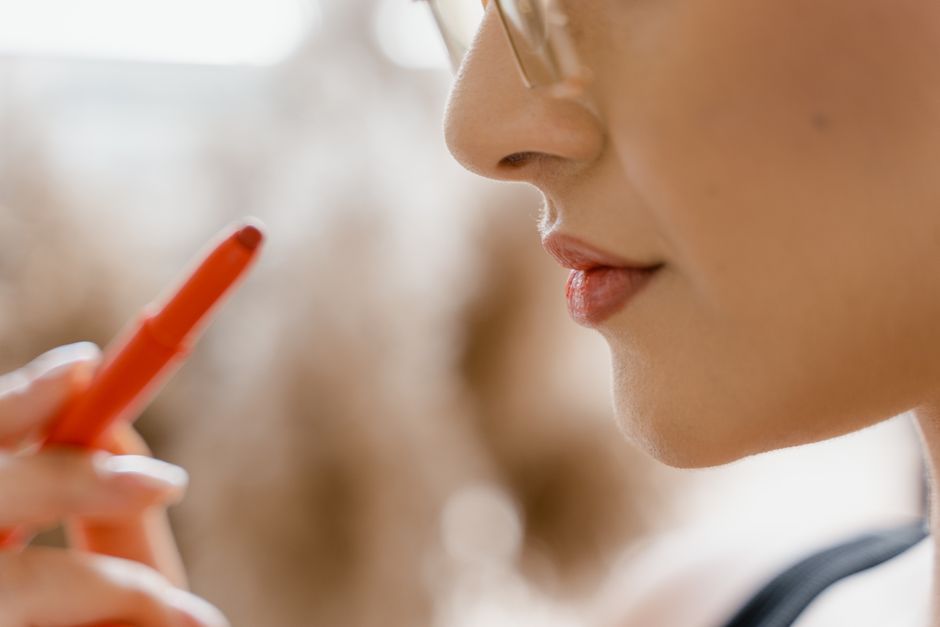
The common misconception is that a polished lip needs full pigment, a sharp outline, and a thick layer that survives lunch. That approach often creates the opposite result: dry texture, a hard edge, and color that looks separate from the rest of the face. A finished everyday lip usually comes from lower contrast, controlled shine, and a shade that lets some natural lip tone show through. The goal is not to make the mouth look bigger or louder. It is to make the whole face look intentional with minimal maintenance.
Why do sheer lip colors look more polished?
Coverage is not the same as quality
Full coverage hides the natural variation in the lips, but it also makes every dry patch, crooked edge, and fading line easier to see. Sheer and medium formulas spread color across that variation instead of fighting it. The result looks softer because the eye sees a gradual transition rather than a block of pigment. That does not make a sheer formula automatically better. A watery product can disappear in an hour, while a dense matte formula can make a casual outfit feel overworked. The best everyday balance is transparent pigment with enough color to even out the mouth.
Finish matters more than shade drama
Gloss reflects light and makes texture less obvious, but too much slip can move outside the lip line. Satin finishes look neat without the tight feel of a flat matte. A soft matte can also work when the formula contains enough emollient and the lips are smooth. My verdict is direct: for a finished look that does not feel heavy, choose a medium-light shade in a satin, balm, or softly blurred finish before reaching for a dark, opaque color. The effect looks deliberate because the texture stays comfortable and the contrast stays controlled.
How should you choose an everyday lip color?
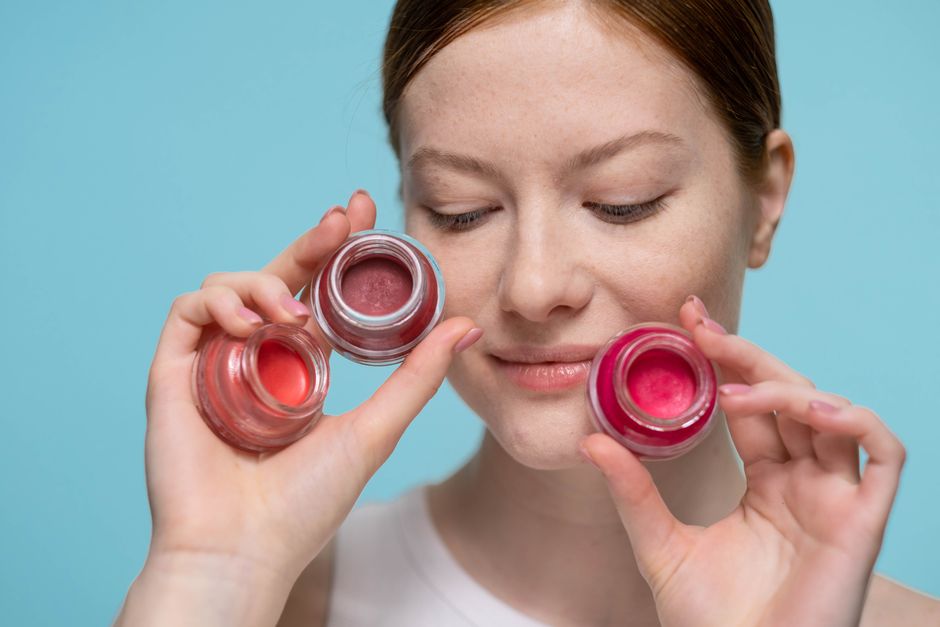
Start with contrast, not the color name
Names such as rose, nude, berry, and mauve tell you very little. Two shades called nude can differ by several levels of depth and undertone. Hold the color beside your face in daylight and ask three practical questions: does it make the whites of the eyes look dull, does it emphasize gray or purple around the mouth, and does it still look balanced without blush? A wearable everyday shade usually sits one or two steps deeper than your natural lip tone. Very pale beige can erase the mouth and make the complexion look flat. Very dark berry can look elegant, but it demands more precise application and more frequent checking.
Match undertone, texture, and routine
Warm undertones often suit peach, cinnamon, terracotta, and warm rose. Cool undertones usually work with blue-red, mauve, raspberry, and cool pink. Neutral undertones have the widest range, but the shade still needs to match the rest of the makeup. A glossy balm suits a dry office and quick reapplication. A stain suits commuting, coffee, and meals, but it can cling to dry spots. A satin bullet gives the neatest middle ground. Test the color on bare lips, wait ten minutes, then check it after drinking water. The first swipe shows pigment. The later check shows whether the formula settles into lines or leaves a ring. That second result deserves more weight.
What makes everyday lip color look too thick?
Use this five-step correction
- Exfoliate only when needed. Press a damp washcloth over flaky areas for a few seconds. Scrubbing every day can leave the lips more irritated and make color catch on rough skin.
- Apply a thin layer of plain balm, wait two minutes, then blot. A wet balm layer makes many lip colors slide and weakens the edge.
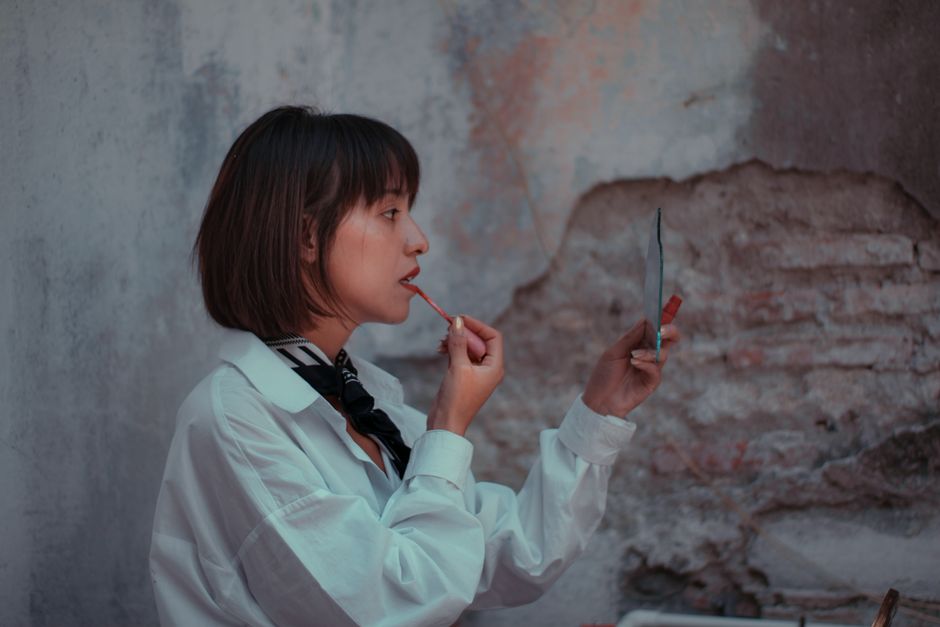
- Place color at the center first. Press the lips together and spread outward instead of drawing a heavy stripe from corner to corner.
- Soften the border with a fingertip or small brush. Edge control matters more than perfect symmetry; a diffused outline looks lighter and hides small errors.
- Blot once, then add color only where the mouth looks uneven. Two thin layers usually look cleaner than one thick layer.
Fix the common failure modes
If the color looks too dark, do not immediately add concealer around the mouth. That can create a pale ring. Blot first, then press a lighter balm over the center. If the color feathers, remove excess product from the outer third of the lips and keep the center layer intact. If the formula disappears unevenly, the problem may be dry skin rather than weak pigment. If the lips feel tight after an hour, stop buying increasingly creamy versions of the same shade and switch to a balm or satin formula. The clear verdict: thin placement and a controlled border solve more everyday lip problems than buying a brighter shade.
Which everyday lip colors give a finished look?
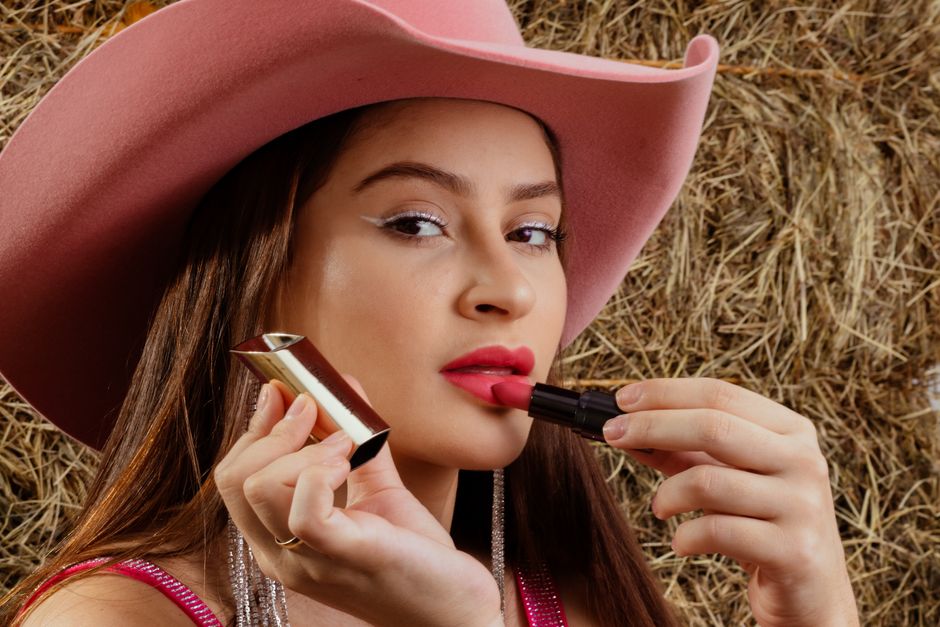
Product choice matters after the basic rules are clear. Prices below are typical U.S. list prices and can change by retailer; wear depends on meals, lip condition, and application.
| Product | Typical price | Finish and coverage | Best use |
|---|---|---|---|
| Clinique Almost Lipstick in Black Honey | $25 | Sheer, glossy balm; buildable berry tone | Quick office makeup and dry lips |
| Bobbi Brown Crushed Lip Color | $33 | Balmy satin; medium, blurred coverage | Polished color without a hard outline |
| Merit Signature Lip | $26 | Satin bullet; medium coverage | Neat, modern color with easy touch-ups |
| rom&nd Juicy Lasting Tint | $14 | Glossy tint; light color with a lasting stain | Longer wear when reapplying is inconvenient |
The strongest pick for most people
Bobbi Brown Crushed Lip Color is the best overall choice for a finished but light result because its balmy satin texture gives more structure than a gloss and less visual weight than a traditional opaque lipstick. Clinique Black Honey wins for speed and comfort, but its berry shift is less predictable on different natural lip tones. Merit Signature Lip is the better pick for a cleaner edge and a more put-together outfit. rom&nd is the value winner for lasting tint, though its glossy first layer can feel less controlled before it sets.
Bottom Line: choose Bobbi Brown for the most balanced polished effect, Clinique for effortless comfort, Merit for a cleaner satin finish, and rom&nd for the lowest purchase price and strongest stain.
Are expensive everyday lip colors worth the price?
My opinion: pay for texture and wear, not a luxury label. A $33 lipstick is worth the premium when it applies evenly, feels comfortable for several hours, and saves enough touch-ups to fit your routine. It is not worth the premium when the shade is almost identical to a $14 tint or when the formula requires constant repair. The useful number is cost per wear, not the shelf price. A $26 lipstick worn four times a week for six months costs about $0.21 per use. A $14 lipstick worn twice and abandoned because it dries the lips costs $7 per use.
Compare the purchase like a budget decision
If a $28 beauty purchase sits on a credit card charging an illustrative 20% to 30% APR and is paid down evenly over twelve months, the total interest is roughly $3 to $5. A late-payment fee may range from $0 to $40 depending on the account terms. No everyday lip color is worth carrying a balance for, especially when a cheaper formula solves the same problem. This is not financial advice; check your card agreement and buy beauty products with money already in your budget.
When not to buy the more expensive option
Skip the premium bullet when you need a transfer-resistant color for long shifts, frequent meals, or outdoor work. A tint may perform better and cost less. Skip the stain when you need easy color changes, because the remaining pigment can fight with a second shade. For most office routines, my value verdict is Merit if you want a neat satin finish, Clinique if comfort comes first, and rom&nd if the main priority is low cost with visible wear after the gloss fades.
Which lip finish should you choose for daily makeup?
Is a tinted balm best for dry lips?
Yes, when comfort and quick application matter more than precise longevity. Pick a tinted balm for dry lips, minimal makeup, and frequent low-effort touch-ups. Keep the layer thin so the shine does not travel past the corners. A balm is the wrong choice for a formal event where the outline must stay exact for several hours.
Is satin better than glossy lipstick?
For most people, yes. Satin gives enough light reflection to avoid a flat, dry look while keeping the color in place better than a wet gloss. It is the best everyday finish for meetings, errands, and outfits with strong texture such as denim, knitwear, or leather. Choose gloss when the rest of the face is simple and you want the lips to look softer.
When should you choose a stain or soft matte?
Choose a stain when reapplication is difficult and you accept a little more prep. Choose a soft matte when you want a defined, modern result and your lips are smooth. Neither option is automatically more polished. The winning formula is the one that matches the schedule, survives the first drink, and fades without leaving a harsh ring. The single most important takeaway is simple: the best everyday lip color uses enough pigment to even out the lips, but not so much that the texture and edges become the main event.