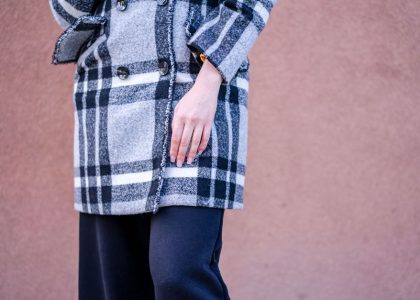

Why chunky knit sweaters lose shape and look bulky
You know the outfit: a thick sweater that looked relaxed and expensive in the fitting room now hangs like a blanket, pushes your coat sleeves up, and leaves a wide lump above your waistband after one afternoon of wear; my verdict is simple, the problem usually comes from yarn weight, loose tension, and poor support rather than from the chunky style itself.
Bulk starts with the knit, not your body
A chunky sweater needs room for air between its fibers, but that same space lets the shoulders stretch, the cuffs flare, and the hem grow longer when gravity pulls on a wet or loosely folded garment, so the best shape comes from a firm ribbed edge, close shoulder seams, and a knit that has enough recovery to return after movement.
Fit controls the final silhouette
I buy a chunky sweater one size larger only when the shoulder line stays in place and the hem stops around the high hip; an oversized body with dropped shoulders, a low armhole, and a long curved hem creates the most bulk, while a boxy but shorter cut gives the same cozy texture with a cleaner outline, which is why proportion matters more than simply choosing a thinner yarn.
For most wardrobes, the winning formula is a medium-length sweater with a defined cuff, a shoulder seam near the shoulder bone, and enough ease to slide over a T-shirt without stretching the ribs, so choose structure first and extra softness second.
How yarn, stitch, and fit decide the silhouette

Choose fiber by recovery and weight
Wool has natural spring, which helps a thick sweater recover after you bend your elbows or carry a bag, but high-moisture fibers can still stretch when wet; cotton feels crisp and breathable yet often grows at the hem, while acrylic holds its size better but can trap heat and develop a shiny surface after friction.
For shape, I prefer a wool blend with a firm hand over an ultra-soft loose knit. A little nylon can improve strength, and a small amount of cashmere can soften wool without turning the whole garment fragile. Pure cashmere feels luxurious, but chunky cashmere needs careful storage because the soft fibers can pill where a seatbelt, handbag strap, or coat rubs.
Read the construction before trusting the label
Look at the inside of the sweater. A neat shoulder join, dense ribbing at the cuffs, and a hem that lies flat usually signal better control. A very open cable pattern creates depth but can stretch more quickly than a dense fisherman stitch. Vertical cables also guide the eye up and down, while wide horizontal textures add visual width even when the garment measurements are reasonable.
Measure a sweater you already like from shoulder to hem, pit to pit, and cuff opening. Compare those numbers with the product chart rather than trusting a size label. A 24-inch body length can look neat on one person and oversized on another depending on shoulder width and rise. The best buy for a slim, polished outfit is a sweater that finishes near the top of the hip, not one that covers the widest part of the seat.
My shape-first verdict
Buy the sweater with the strongest recovery and clearest hem, even if another option feels softer in the store. Texture creates the cozy effect; structure keeps it wearable after ten outings and several washes.
Six fit checks that prevent a chunky sweater mistake

Use this fitting order in the changing room
- Check the shoulder first. The seam should sit near the shoulder bone, unless the design clearly uses a dropped shoulder; extra fabric here creates a permanent slouch.
- Lift both arms. If the hem rises several inches and stays there, the armhole is too tight or the sweater is too short for your movement.
- Pinch the side seam. You want enough room for a thin base layer, but more than three inches of loose fabric on each side usually adds avoidable width.
- Test the cuff. Push the sleeves toward the elbow and release them. A good cuff should return close to the wrist instead of hanging open.
- Check the hem after sitting. Sit down for two minutes, then stand. If the back hem stays stretched, the knit may need a firmer rib or a shorter cut.
- Wear your real coat over it. A sweater can fit beautifully alone and still fail under a winter jacket. Bring the coat you will actually use.
The mistake I stopped making
I used to buy the bigger size for a cozy look, then fight the extra fabric all day. Now I size for the shoulder and armhole, not the stomach area, and I choose a longer base layer if I want more coverage. That small change makes a thick knit look intentional instead of oversized by accident.
My verdict: never buy a chunky sweater from a single mirror pose. Walk, sit, raise your arms, and test the outer layer before paying. A sweater that passes those four movements will keep its shape better because you are not constantly tugging it back into place.
My strongest recommendation: buy texture, not extra fabric
The best choice for a polished chunky look
Choose a firm, shorter sweater and let the stitch provide the drama. That is the rule I would give anyone trying to avoid bulk. A dense cable or waffle pattern already makes the garment look substantial, so adding a very long body, dropped shoulder, wide sleeve, and oversized neckline creates four sources of volume at once.
The Madewell Cable-Knit Oversized Sweater shows the tradeoff clearly: it is listed at $148 at full price, has a 27-inch body length, and uses a 75% polyacrylic and 25% responsible wool blend. I like it for a casual coat-free outfit, but I would size down if I wanted a cleaner shape because the oversized cut and drop shoulders already add width.
When not to buy an oversized cable knit
Skip the biggest cable knit if you need a sweater for commuting, narrow blazers, or high-waisted skirts. The extra sleeve width catches on coat lining, and the thick hem can cover the waistband that gives the outfit its shape. Buy a fine-gauge merino crew instead, or choose a cropped chunky knit with a firm rib.
For a relaxed weekend outfit, the Madewell sweater is a reasonable pick. For daily wear under outerwear, I would spend the money on a smoother wool blend with a defined shoulder. That choice feels less dramatic on the hanger but looks better after a full day of walking, sitting, and carrying a bag.
How should you wash, dry, and store a chunky knit?
Can I wash a thick sweater in a machine?
Only when the care label allows it, and even then I use the gentlest cold cycle, a small amount of wool detergent, and a mesh bag. I never add fabric softener because it coats the fibers and can weaken the spring that keeps the knit in place. A sweater should leave the machine damp, not dripping, and I press out water with a towel instead of twisting it.
Should a chunky sweater hang or fold?
Fold it. A hanger concentrates the garment’s weight at the shoulders, which can create points, bumps, and stretched sleeves. Lay the sweater flat on a dry towel, reshape the shoulder line, cuffs, and hem by hand, then let it dry away from direct heat. Once fully dry, fold it with the sleeves across the body and store it on a shelf rather than in a packed drawer.
The Madewell Marled Chunky V-Neck Sweater lists a 48% wool, 44% acrylic, and 8% alpaca blend with a 22.5-inch body length; the label calls for dry cleaning, so I would follow that instruction rather than assume every wool blend can handle a home wash. The L.L.Bean cashmere option also says handwash and dry flat, which is a strong hint that drying position matters as much as the detergent.
Before storing any chunky knit for summer, wash or clean it, dry it fully, and place cedar nearby without letting cedar oil touch the fabric. Do not compress it in a vacuum bag. The fibers need space, and the sweater will return to a better shape next autumn if it has not spent six months crushed beneath denim.
Chunky knits are moving toward smarter proportions: more texture, firmer ribs, and shorter hems that give the comfort of a heavy sweater without swallowing an outfit. That is the direction I will keep buying, because the best thick knit does not hide your shape; it gives the whole look a clear, relaxed frame.