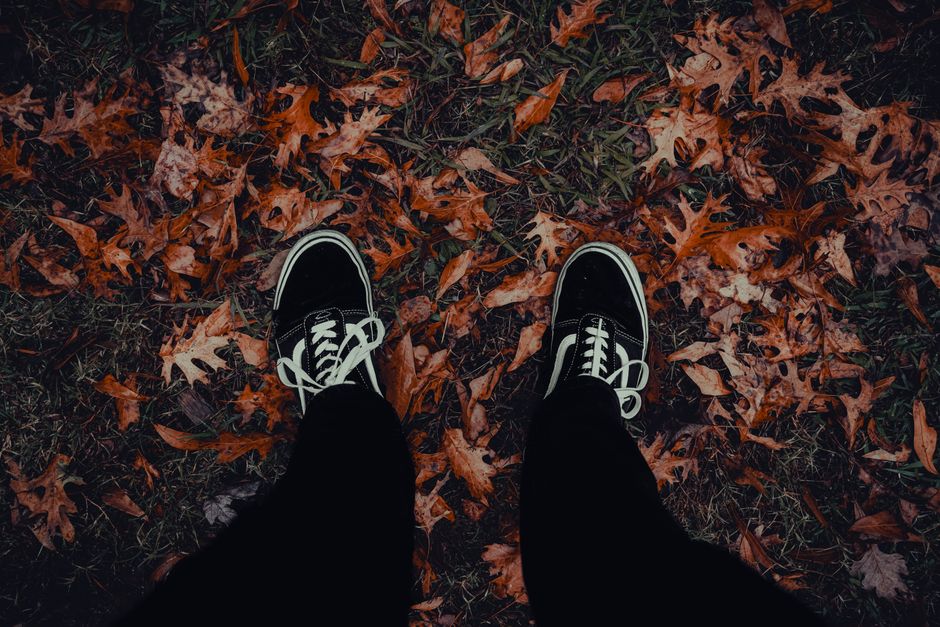
What shoes can you wear when summer sandals feel too light, but boots still look premature? The answer sits in the middle: closed-toe shoes with enough structure for cooler mornings, breathable enough for warm afternoons, and polished enough to work with early fall clothes. The best early autumn shoes do not copy winter footwear. They solve a smaller problem: covering your feet while keeping outfits light.
Which Early Autumn Shoes Beat the September Weather?
Start with the weather, not the outfit photo. Early autumn often brings damp sidewalks, warm afternoons, and temperature swings of 15 degrees or more. A shoe that works at 8 a.m. may feel too heavy at 3 p.m. My pick for the best all-round category is the leather loafer because it covers the foot, works with trousers and skirts, and does not look like a winter boot.
The best shoe types for the transition
| Shoe type | Typical price | Best use | Main weakness |
|---|---|---|---|
| Leather loafer | $120–$180 | Office, travel, dinners | Can rub before it breaks in |
| Retro sneaker | $90–$175 | Walking, casual outfits | Looks too summery with very thin clothing |
| Mary Jane flat | $80–$160 | Dresses, cropped trousers | Limited rain protection |
| Suede mule | $100–$200 | Dry, mild afternoons | Bad choice for wet pavements |
Three real options worth comparing
The Sam Edelman Loraine Bit Loafer costs about $150 and gives the sharpest office-to-weekend shape. The Adidas Samba OG costs about $100 and wins for casual walking because its low profile balances denim, wide-leg trousers, and knit skirts. The Dr. Martens Adrian Smooth Leather Loafer costs about $150 and offers a thicker sole, but its weight makes it less comfortable during long warm afternoons. For most wardrobes, the Sam Edelman loafer is the best first purchase; choose the Adidas pair instead when walking matters more than polish.
How to Build a Two-Shoe Autumn Rotation
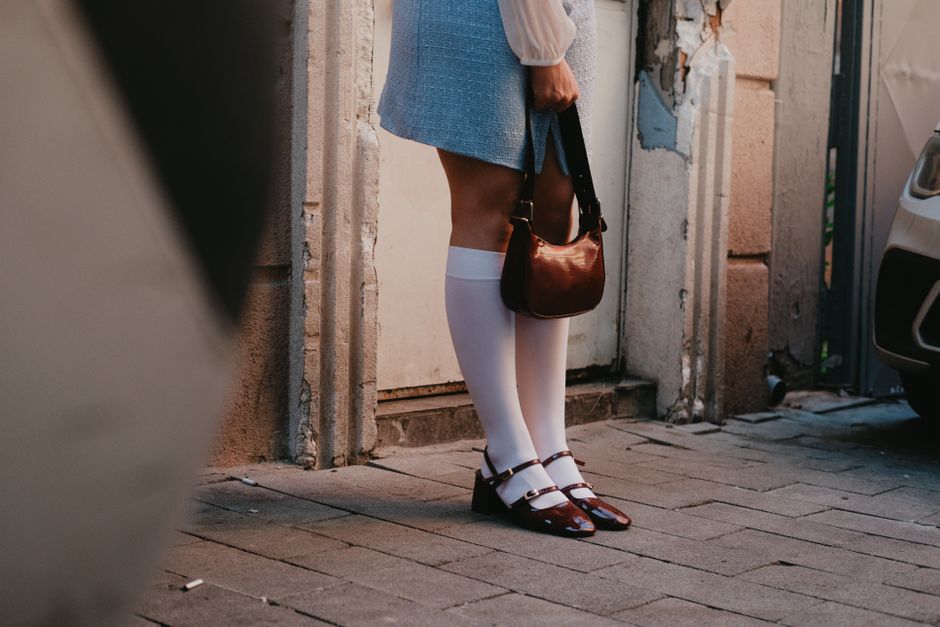
The most useful early fall wardrobe needs only two shoe roles: one polished pair and one walking pair. This keeps your outfits flexible without buying a full new shoe collection every September.
Step 1: Choose the polished pair
- Pick a closed toe in black, dark brown, burgundy, or deep olive.
- Choose a sole with at least 5 millimeters of tread if you walk on wet pavement.
- Leave 8 to 12 millimeters of space in front of your longest toe.
- Check the heel seam before buying. A stiff seam can cause blisters even when the length feels right.
Step 2: Choose the walking pair
- Look for a flexible forefoot that bends near the toes instead of at the middle of the shoe.
- Match the shoe color to at least three items already in your closet.
- Wear the shoes indoors for 30 minutes before taking them on a long trip.
- Keep thin socks in your bag during warm days and thicker socks ready for cold mornings.
Step 3: Test the rotation against real outfits
Try each pair with cropped trousers, straight-leg jeans, a midi skirt, and one lightweight dress. If a shoe works with only one of those outfits, it is a special-occasion purchase, not a useful autumn basic. The strongest two-shoe rotation covers both movement and polish, so you can handle a commute, an office, and dinner without changing shoes.
Why Leather Loafers Win the Office-to-Weekend Test
Leather loafers are the best early autumn shoes for readers who want one pair to carry most of the season. Their value comes from shape, not decoration. The closed vamp protects more of the foot than a sandal, while the low heel keeps the shoe lighter than an ankle boot. That middle ground makes a loafer work with bare ankles in September and thin socks when October arrives.
How to check leather, lining, and sole quality
Press the upper near the toe box. Full-grain or smooth leather should flex without making a sharp crease that cuts across the foot. A leather or soft textile lining reduces friction, while an unlined shoe can feel cooler but may rub more. Examine the outsole at the ball of the foot and heel. A rubber insert improves grip in rain, but a completely smooth leather sole can slide on painted crossings and polished floors.
The Sam Edelman Loraine Bit Loafer remains my best choice for a neat, feminine outfit because its almond toe does not look severe with skirts or soft tailoring. The Vagabond Shoemakers Alex W Loafer, priced around $160, gives a cleaner Scandinavian shape and a slightly flatter profile. Choose the Vagabond pair for wide-leg trousers and minimalist outfits; choose Sam Edelman for dresses and more traditional office clothes.
Break-in rules that prevent a bad first week
Wear new loafers at home for two short sessions before a full workday. Apply a thin blister balm to the heel and use socks that cover the rubbing area. Do not size down because leather may soften. Length rarely changes, and a cramped toe box stays cramped. If the shoe still pinches after three indoor sessions, return it rather than hoping discomfort will disappear.
When Should You Skip Flats and Choose Another Shape?
My verdict is simple: skip delicate flats when you expect rain, long walks, or cold wind. A thin sole cannot fix a bad weather day, and a pretty shoe that leaves your feet sore will not improve an outfit.
Skip them for heavy walking
Choose a sneaker or a loafer with a cushioned footbed when your route includes more than 30 minutes of pavement. A flat with no heel structure may fold easily in a bag, but that same flexibility can leave your feet tired by lunchtime.
Skip them for wet mornings
Suede, mesh, and fabric flats need dry conditions. Water marks the upper, soaks thin socks, and makes the shoe harder to clean. For damp days, a smooth leather upper and rubber outsole offer better protection without forcing you into tall boots.
Skip them when your outfit needs visual weight
Very light shoes can look disconnected from thick denim, long wool skirts, or a structured jacket. Add visual balance with a loafer, a retro sneaker, or a Mary Jane with a wider strap. The right early autumn shoe should match the weight of the outfit, not just its color.
What Should You Check Before the First Cold Snap?
Do early autumn shoes need socks?
Not always. Bare ankles work with loafers and sneakers while the weather stays mild, but thin cotton or merino-blend socks add comfort when mornings fall below 55°F. Avoid socks that stop exactly where the shoe rubs. No-show socks can also slip under a loafer, so test them indoors before relying on them for a full day.
Are white sneakers still practical in early fall?
Yes, if the upper can handle cleaning and the sole has real traction. The Veja Campo costs about $175 and has a structured leather upper that looks sharper than a canvas sneaker, but it feels firmer during long walks. The New Balance 327 costs about $100 and gives more cushioning, though its layered upper creates a sportier outfit. My choice for city walking is the New Balance 327; the Veja Campo wins when a cleaner outfit matters more.
What is the most common buying mistake?
Buying a shoe for a single outfit instead of a full week. Before purchasing, test the pair with at least four outfits and walk indoors for 10 minutes. Check the heel, toe box, sole grip, and sock compatibility. If the shoe fails two of those tests, it is not a smart pre-boot purchase. The single most important takeaway: choose early autumn shoes that bridge warm afternoons and cool mornings while still supporting the way you actually walk.