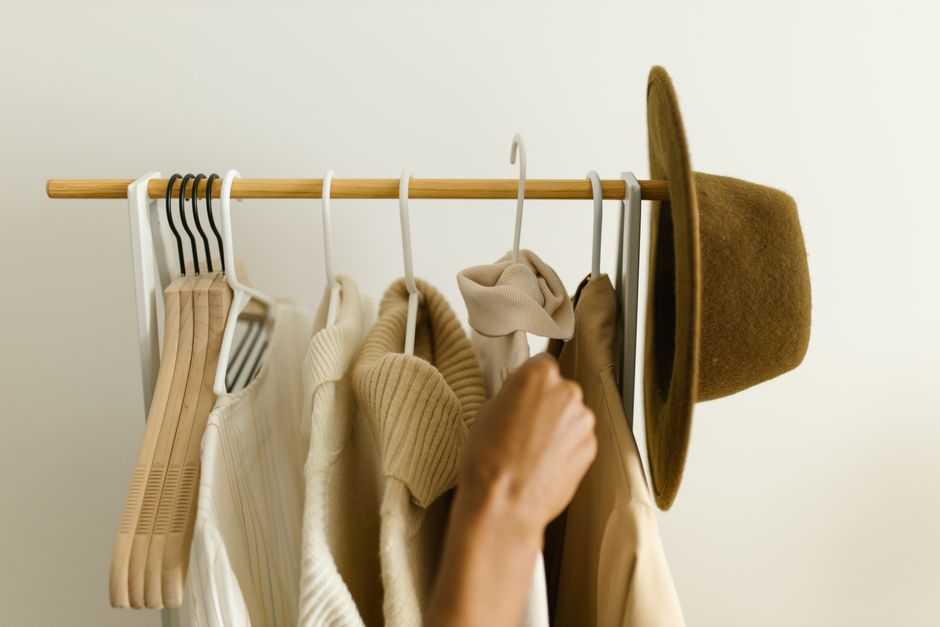
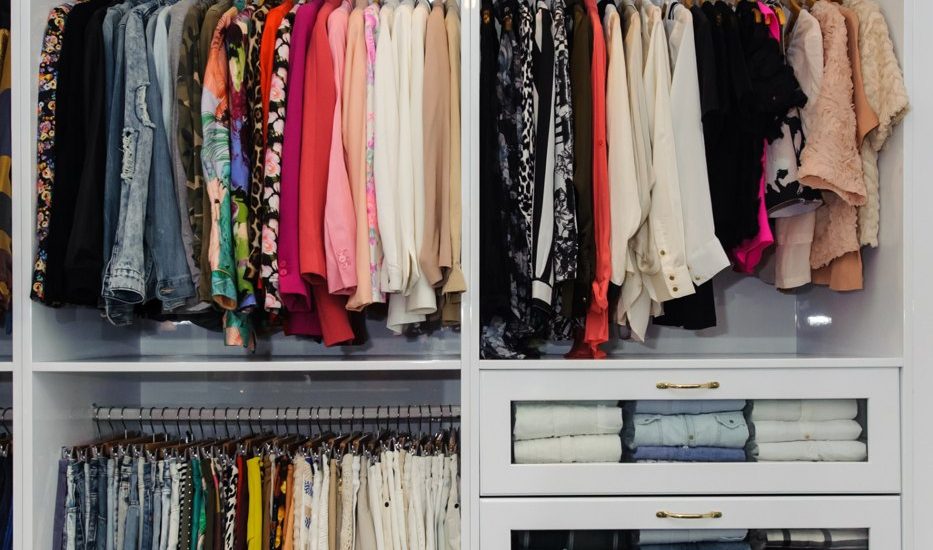
My strongest advice is simple: do not start autumn shopping until you know exactly what your current wardrobe cannot do. A late summer wardrobe reset works best as an audit, not a shopping spree. I empty the closet, test my real outfits, repair what still has life, and write down only the gaps that stop me from dressing comfortably. That process has saved me more money than any seasonal trend forecast.
Start with an edit, not an autumn shopping list
Use the four-pile method
I begin with every item that has appeared in my wardrobe since May. That includes clothes in the laundry, the entryway, and the chair where worn-but-not-dirty clothes tend to collect. Then I sort each piece into four piles:
- Keep: I wore it at least twice this summer, it fits today, and I would choose it again tomorrow.
- Repair: the fabric and cut work, but a loose button, split seam, stain, or tired hem blocks regular wear.
- Store: it belongs to a different season and does not help with late-summer outfits.
- Release: it pinches, rides up, needs constant adjusting, or has not been worn for a full year.
The release pile needs less emotion than most people expect. I do not keep a shirt because it was expensive or because it might suit a future version of me. I keep clothes that support the way I live now.
Test the clothes you actually wear
After sorting, I build five outfits from the keep pile without adding anything new. One must work for a warm afternoon, one for a cool morning, one for an ordinary workday, one for rain, and one for a social plan. If I cannot make those outfits, the problem is visible. If I can, I have earned the right to wait before buying.
Measure the gaps before the weather changes
Late summer reveals the weak points
Hot weather strips away layers, so it exposes the basic problems in a wardrobe. You learn which trousers are comfortable for eight hours, which tops survive repeated washing, and which shoes make a simple outfit look finished. I pay attention to those facts instead of guessing what I will want in October.
For two weeks, I keep a small note on my phone. Each time I change clothes because something feels wrong, I record the reason: no light jacket, no machine-washable trousers, no closed shoe, no top that works under a cardigan. Repeated problems matter. A one-off complaint usually does not.
Turn complaints into measurable needs
Vague notes create vague shopping. I change no autumn layers into one washable layer that fits over my three most-worn tops. I change I need better trousers into a specific rise, fabric weight, leg shape, and inseam. I change I have nothing to wear into three outfit combinations I have not tried yet.
This also protects the budget. A wardrobe gap deserves a place on a list only when it appears in at least three separate outfits or causes the same problem twice in one week. That rule has stopped me from buying dramatic pieces that look exciting in a fitting room but solve nothing at home.
Use this gap table before buying transitional clothes
Match the problem to the smallest fix
The best late-summer wardrobe reset does not ask what is trending. It asks which small change will make the most existing clothes usable. I use the table below before opening a shopping app.
| Observed problem | First fix | Buy only if |
|---|---|---|
| Morning chill, warm afternoon | Add one breathable layer that fits over current tops | You have tested three outfits that need it |
| Trousers feel too light for September | Try a denser cotton, denim, or wool blend already in the closet | No existing pair works with at least four tops |
| Summer shoes look wrong with long trousers | Polish, repair, or restyle a closed pair | The pair is uncomfortable or cannot handle regular walking |
| Every outfit feels flat | Change proportion, tuck, sleeve length, or accessories | The same issue remains after five outfit tests |
| Clothes feel tight after layering | Measure the garment and compare it with a comfortable item | The needed size or cut is missing from your wardrobe |
Read the result as an outfit problem
If one new item fixes five outfits, it is a strong candidate. If it fixes one photograph, leave it alone. I learned this after buying several beautiful oversized jackets that swallowed my existing skirts and made every outfit feel heavier. The jackets were not bad; they were wrong for the wardrobe they had to join.
For a denim gap, I would first look at the straight-leg, button-fly shape of the Levi’s 501 Original. For a shoe gap, the three-eye leather Dr. Martens 1461 gives a cleaner bridge between summer trousers and heavier autumn denim. These are reference points, not automatic purchases. The test is still the same: can the item create at least three outfits with clothes you already own?
Do not buy autumn clothes until your gap is measurable
My verdict
Wait on the big autumn purchase. I would not buy a coat, boot, statement knit, or trend-led trouser during the first warm week of September, because early-season excitement makes small wardrobe gaps feel urgent, and the most flattering item in a store can still be useless if it duplicates a jacket you own, needs dry cleaning you will avoid, has the wrong sleeve length for layering, or only works with one pair of shoes; I write down the exact failure, count the outfits it affects, and wait until the same need survives at least seven days.
The exception
I will buy early when the missing item has a clear job, a reliable fit, and a realistic care routine, such as a washable midweight layer for a commute, a weatherproof shoe for daily walking, or trousers that fit the body I have now; the purchase still has to work with three current outfits, and I will not excuse a poor fit because the colour is fashionable, the fabric feels luxurious in the shop, or the label has a reputation for quality.
This rule leaves room for genuine needs without turning the season into a race. If an old item is uncomfortable, unsafe in wet weather, or beyond repair, replace it. If it is merely less exciting than a new trend, wear it again and save the money for a piece that changes your weekly dressing options.
Choose bridge pieces that earn repeated wear
My strongest opinion: buy the layer that works hardest
A transitional wardrobe needs practical bridge pieces, not a full reset. My favourite autumn additions are clothes that handle a temperature swing without demanding a new outfit around them. A fine knit under a jacket, a straight trouser with both sneakers and boots, and a light overshirt over a summer dress usually outperform a dramatic seasonal purchase.
The Uniqlo AIRism Cotton Oversized T-Shirt is a useful reference for a relaxed warm-weather base because its smooth cotton-feel jersey and easy cut can sit under a jacket without looking like sleepwear. For cooler evenings, the COS Merino Wool Crew-Neck Sweater offers a fine knit that layers more neatly than a bulky cable sweater. I would choose either only when the colour and shoulder shape work with the clothes already in the keep pile.
Specific pieces I would consider, and when I would skip them
- Levi’s 501 Original: choose the straight leg and button fly when you need denim that balances fitted and oversized tops; skip it if rigid denim makes you uncomfortable after an hour.
- Dr. Martens 1461: choose the three-eye shape and air-cushioned sole when you need a closed shoe with visual weight; skip it if you walk long distances and the break-in period will stop you wearing it.
- Barbour Bedale: choose the two-way zip, corduroy collar, and bellows pockets when you need a practical light jacket for damp days; skip it if waxed fabric feels too warm or you will not maintain it.
- Uniqlo HEATTECH Crew Neck: choose a thin base layer when cold offices make your summer tops unusable; skip it if you dislike close-fitting layers or already own enough thermal basics.
The winner is not the most recognisable brand. It is the item that solves a repeated problem with the least styling effort.
Late summer wardrobe reset questions I still use
Should I store summer clothes before autumn arrives?
No. I keep lightweight trousers, cotton shirts, dresses, and sandals visible until the weather truly changes. Late summer often produces warm afternoons and cool mornings, so hiding everything at once forces unnecessary shopping. I move only clearly seasonal pieces, such as heavy knitwear or insulated outerwear, when the forecast and daily comfort support it.
How many autumn clothes should I buy?
I start with one layer, one lower-half option, or one pair of shoes, never a complete capsule. The exact number matters less than the outfit count. If a new piece cannot join at least three existing combinations, it stays on the wish list. My most useful additions tend to be quiet: a fine sweater, a washable overshirt, or a pair of trousers in a fabric that handles cooler mornings.
When should I stop repairing and replace something?
Replace an item when the fabric is thinning across a large area, the fit has changed beyond alteration, or the repair cost and effort exceed the number of wears left. Repair a loose hem, missing button, small seam split, or broken zip when the garment already works with several outfits. For a final decision, ask one direct question: if this item were clean and ready tomorrow morning, would I choose it? If the answer is no, autumn shopping will not rescue it.
My final recommendation is to finish the reset with a written gap list containing no more than three items, then shop for the first item only after it proves useful in three existing outfits. That approach keeps autumn dressing fresh without turning every change in weather into a reason to buy more.