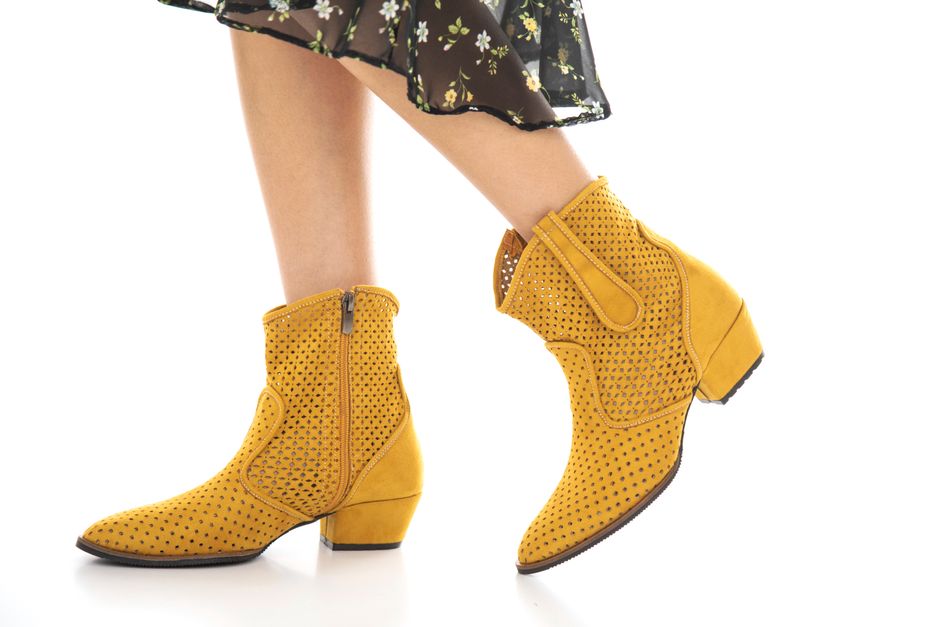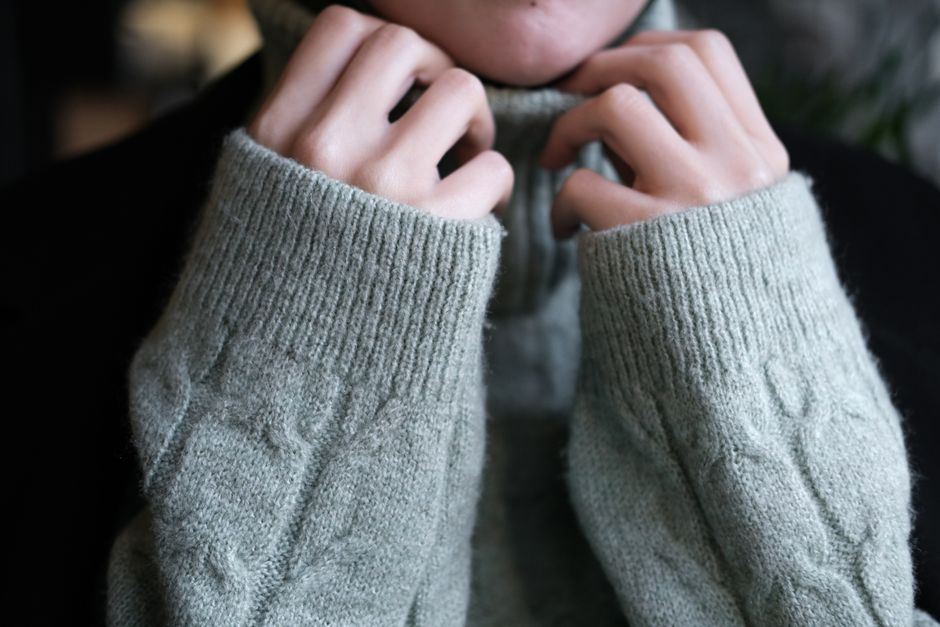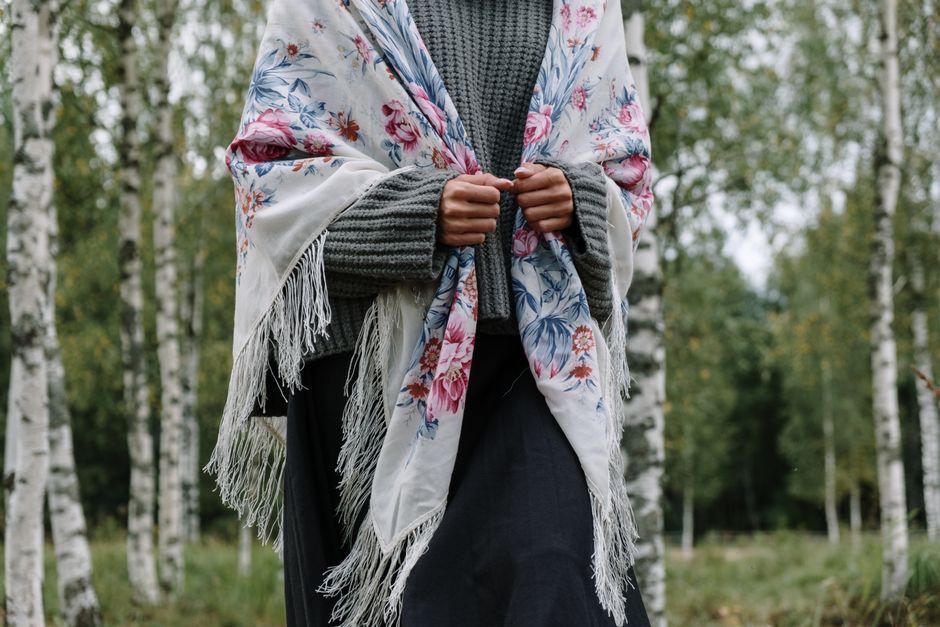

You leave work at 5:30, walk through cold streets, arrive at a crowded bar, and discover the party is smarter than the invitation suggested. Your blazer is too formal, your thin dress is useless outdoors, and your shoes hurt before dinner arrives. The surprising fact about December dressing is that one outfit often has to handle three climates: a heated commute, a cold journey, and an overheated venue. The answer is not more sparkle. It is better control of proportion, fabric, and layers.
This guide treats party season outfits like a careful consumer decision. You want enough polish for photographs, enough comfort to last several hours, and enough versatility to justify the spend. No affiliate links, no promises that one purchase fixes every event, and no pressure to buy something new.
What does smart-casual mean for a December party?
Smart-casual is a balance of contrast
Smart-casual does not mean wearing half an office outfit and half a weekend outfit. It works through contrast. Pair one tailored piece with one relaxed piece, or one festive texture with one quiet basic. A satin skirt with a fine-knit sweater feels more natural than a full satin suit. Dark straight-leg trousers with a velvet top look dressed up without copying office tailoring.
The safest formula is one polished anchor, one comfortable base, and one deliberate detail. The anchor might be a blazer, a bias-cut skirt, or a sharp loafer. The base might be a plain merino knit, opaque tights, or a clean cotton shirt. The detail can be a metallic bag, a red lip, a slim belt, or a small statement earring.
Use the invitation as evidence, not decoration
Words such as drinks, dinner, festive, and smart-casual each carry useful clues. Drinks usually allow a shorter hem or stronger accessory because people move around. A restaurant dinner calls for clothes that stay neat while sitting. A work event needs restraint: the same outfit should look credible beside a manager at 6 p.m. and a friend at 10 p.m.
Verdict: Choose one noticeable element and keep the rest controlled. Smart-casual looks intentional when the eye has somewhere to land.
How should you decode the dress code before shopping?
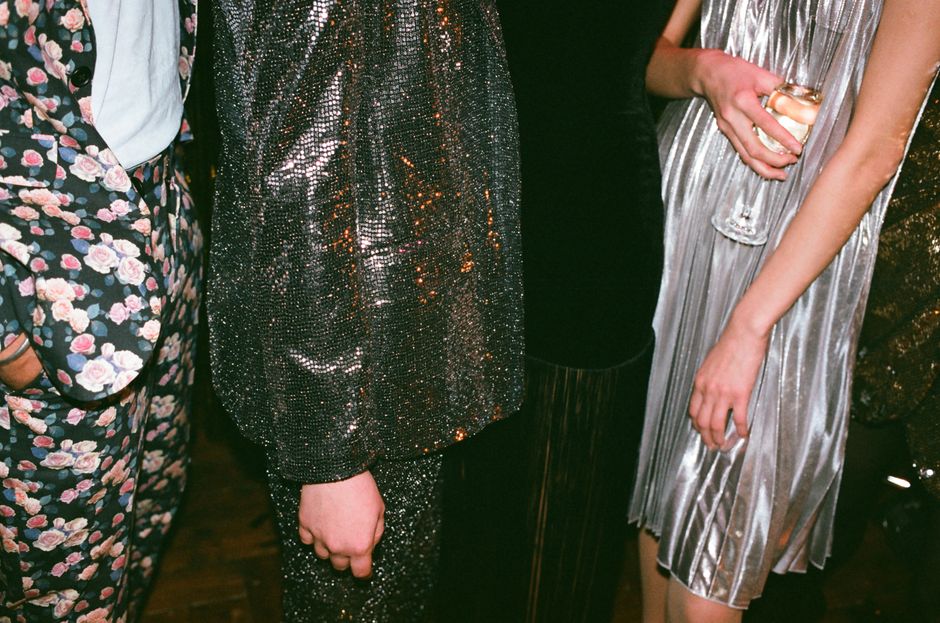
Ask three questions before opening a clothing app
- Where is the event? A hotel bar, office, pub, gallery, and private home each set a different level of formality. A velvet jacket works at a gallery but can feel theatrical at a casual pub.
- What happens before and after the main event? If you are going straight from work, build around a removable layer. If you are walking between venues, shoes and outerwear matter more than a dramatic top.
- What will the room feel like? Crowded restaurants run warm. Outdoor markets punish exposed ankles. A thin camisole may look good in a photo and fail within five minutes outside.
Use a simple formality scale
On a scale from one to five, ordinary pub drinks sit around two, a restaurant dinner around three, a company cocktail event around four, and black-tie-adjacent celebrations around five. Smart-casual December events usually sit between two and four. Aim for the middle if the invitation is vague: tailored trousers, a refined knit, polished shoes, and one evening detail.
Do not shop before you know your position on that scale. Shopping first creates expensive panic purchases, especially when delivery deadlines narrow your choices. Bottom Line: the location and timing tell you more than the word festive.
Which outfit formulas work for office parties and dinners?
Three reliable combinations
The strongest party season outfits are built from repeatable combinations rather than single-use costumes. The prices below are typical US retail prices and can change by color, size, and sale period in 2026.
| Outfit formula | Useful example | Typical cost | Best setting |
|---|---|---|---|
| Fine knit plus satin midi skirt | Uniqlo Extra Fine Merino Crew Neck Sweater with a satin midi skirt | About $50 for the sweater, $60 to $120 for the skirt | Office drinks or dinner |
| Blazer plus dark trousers | COS tailored wool blazer with straight-leg black trousers | About $250 for the blazer, $80 to $180 for trousers | Company cocktail event |
| Simple dress plus structured shoe | Mango satin-effect midi dress with Sam Edelman Loraine loafers | About $80 for the dress, $150 for the loafers | Restaurant or hotel bar |
| Texture-led separates | Velvet top, dark denim, and Dr. Martens 1461 shoes | About $50 to $100 for the top, $170 for the shoes | Casual party or live music |
Pick the formula that solves the real problem
If you need one outfit that can move from work to dinner, choose the merino-and-satin combination. The sweater handles office lighting and cold travel, while the skirt adds enough evening texture. For a formal workplace, the COS blazer formula wins because it looks deliberate without forcing you into a full suit. For a relaxed event, the Dr. Martens 1461 adds weight and personality, but it is the wrong choice for a dressy hotel dinner.
These are reference points, not instructions to buy every item. A black blazer already in your wardrobe may do the same job as the COS version. The value comes from the combination, not the label. Bottom Line: for most December work events, the merino knit, satin skirt, and low-heeled shoe give the best balance of polish, warmth, and repeat wear.
Which fabrics and layers keep a December outfit practical?
Build from fabrics that regulate temperature
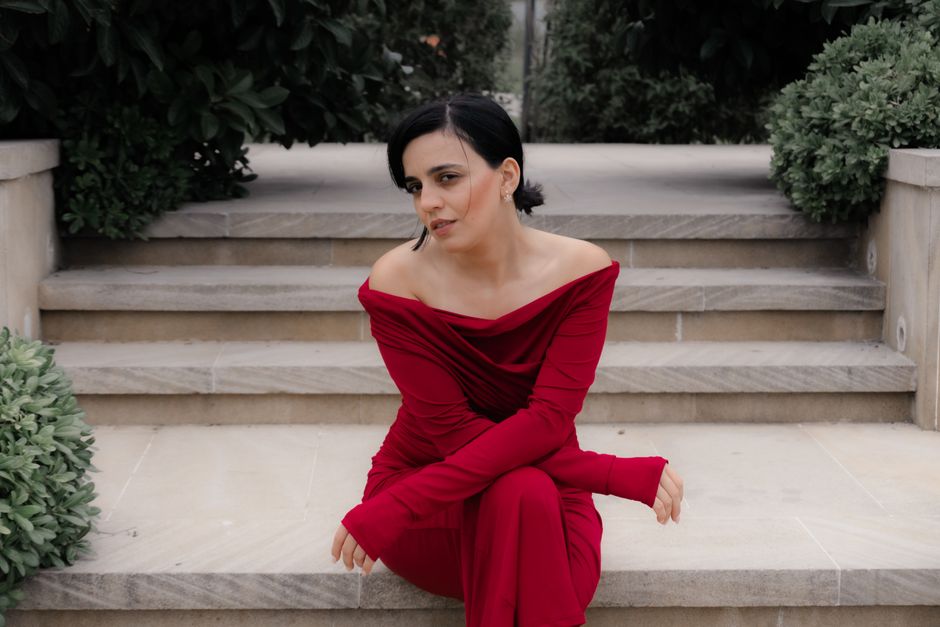
Fabric choice matters more than color once the temperature drops. Wool and merino trap warm air without needing excessive bulk. Silk and satin create movement and look festive, but they provide little insulation on their own. Cotton can feel comfortable indoors yet become cold if it absorbs rain or sweat. Polyester varies widely: a good lining can improve comfort, while a cheap, unlined fabric may cling and trap heat.
Start with a breathable base layer that does not show at the neckline. Add the main outfit, then use a removable outer layer. This order gives you control when a venue becomes hot. A thin thermal camisole under a dress can work better than a heavy cardigan over it because it preserves the silhouette. Opaque tights also solve two problems at once: they add warmth and make a shorter skirt feel more balanced for evening.
Check the details people ignore
Look at lining, hem movement, sleeve width, and pocket placement. A lined skirt hangs better and is less likely to catch on tights. A sleeve that is too narrow will make a coat uncomfortable. A dress with no useful pocket may force you to carry a bag all night. Test sitting, reaching, and walking before removing tags.
The common failure is styling for the photograph instead of the whole evening. Bare ankles, slippery soles, scratchy sequins, and a coat that cannot close all become obvious after an hour. Avoid buying a delicate item for an event that involves public transport, outdoor queues, or standing. The best festive fabric is the one you can maintain without constant adjustment.
When should you buy a new piece, and when should you skip it?
Buy one item only when it fills a clear gap
My recommendation is direct: buy a new piece only when it can serve at least three events or combine with three items you already own. A $90 top worn once costs $90 per wear. Worn six times, it costs $15 per wear before cleaning. That is a better test than a discount label.
Check your wardrobe first. If you own dark trousers, a clean knit, and comfortable evening shoes, the missing item may be a belt or earrings rather than a new outfit. If the only suitable dress needs uncomfortable shapewear, special underwear, and a new coat, its advertised price is not the real price.
What if the event is too specific for your wardrobe?
Renting can make sense for a one-off black-tie occasion, but it is less useful for ordinary smart-casual parties because shipping windows and fit uncertainty add stress. Buying a versatile blazer usually beats renting a novelty piece. Do not buy sequins, feathers, or a highly unusual color simply because December marketing makes them feel urgent. A dark velvet top can look festive now and still work for a birthday dinner later.
If you are tempted to finance clothes, pause. A checkout offering 0% APR can still charge late fees, while longer payment plans may run from roughly 10% to 36% APR depending on the provider and credit profile. This is not financial advice; it is a reminder to treat the total cost as real money. Bottom Line: skip the purchase when the event is the only reason, the fit is uncertain, or payment would stretch beyond the month.
What should you wear when the December plan changes?
The best fallback is a removable layer
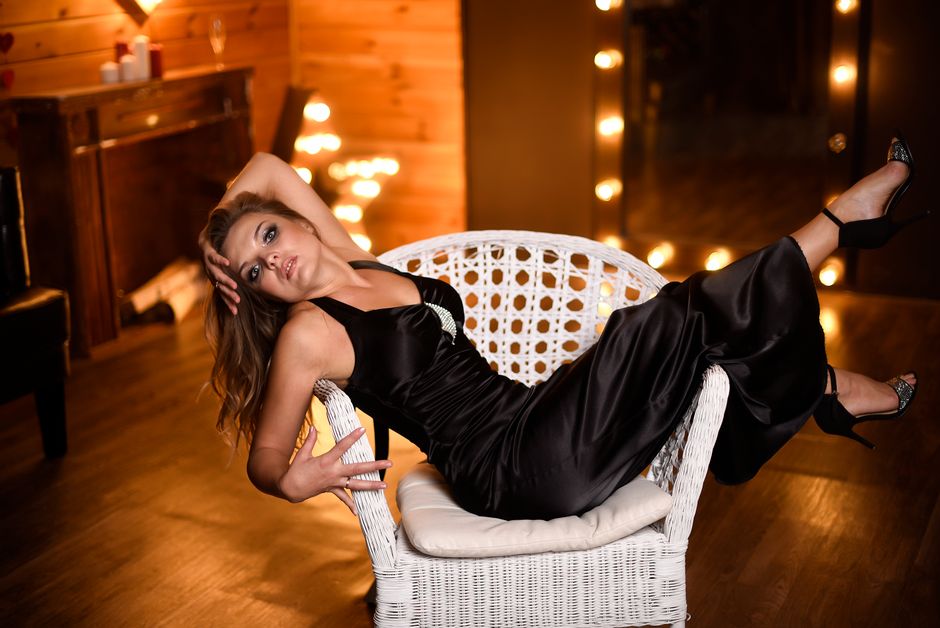
When the destination changes from pub to restaurant, remove the casual layer and keep the tailored anchor: a blazer over a knit, a belt over a dress, or a polished loafer with dark trousers can raise the outfit in minutes.
Make comfort part of the final look
For long evenings, choose shoes you can walk in, fabrics that do not need constant pulling, and a bag large enough for a phone, cardholder, lipstick, and compact umbrella. The strongest party season outfits in 2026 will keep moving toward versatile pieces that work across settings, because people want clothes that earn their space in a wardrobe rather than disappear after one photograph.