
You leave home at 48°F in a sweater, spend lunch outside in 63°F sunshine, then walk back through a sharp wind after sunset. A winter coat feels bulky. A shirt feels useless. By 3 p.m., you are carrying the wrong layer over one arm.
That is the problem transitional jackets solve. The strongest choices manage a narrow but difficult range of weather without looking like emergency gear. Denim, leather, and lightweight wool each handle that job differently. The right choice depends on wind, rain, indoor heating, movement, and how much space your middle layer needs.
Why transitional jackets fail between seasons
The category exists because spring and fall create unstable conditions. Temperature changes quickly, wind can make a mild day feel cold, and rain may arrive after a clear morning. A transitional jacket needs enough structure to block a breeze, enough breathability to prevent overheating, and enough visual polish to work indoors.
The first principle is temperature control
Warmth does not come from fabric weight alone. A dense weave slows moving air. A lining traps a small pocket of heat. A relaxed fit lets you add a knit layer, while a close fit reduces drafts but becomes uncomfortable when the sun appears. A jacket designed for 45°F weather will often feel excessive at 65°F if it has insulation, padding, or a sealed shell.
The best in-between layer handles heat, wind, and movement in that order. If you commute on foot, wind resistance matters more than a soft hand feel. If you move between heated offices and outdoor sidewalks, breathability matters more than maximum warmth. If rain is common, surface treatment and drying time matter more than a fashionable collar.
Use a three-question weather check
- Will the jacket face more wind or more rain? Choose a dense fabric for wind and a treated surface for light rain.
- Will you wear a sweater underneath? Measure the garment over that sweater, not over a thin T-shirt.
- Will you remove it indoors? Pick a layer with enough shape to look intentional over a blouse, shirt, or knit top.
This check prevents the most common mistake: buying for the first five minutes outside instead of the full day. Transitional jackets are useful because they manage change, not because they create winter-level warmth.
Denim, leather, or lightweight wool: what actually changes?

These fabrics are not interchangeable. Their practical differences show up in wind, rain, care, and the amount of heat they hold. The figures below describe common garment ranges; weave, lining, finish, and cut can change the result.
| Material | Typical specification | Warmth and wind | Rain performance | Best use |
|---|---|---|---|---|
| Denim | 10–13 oz cotton; often non-stretch | Moderate warmth; moderate wind control | Weak when soaked; dries slowly | Dry days from 55–70°F |
| Leather | 0.8–1.1 mm hide; lined or unlined | Strong wind control; moderate warmth | Handles light drizzle if treated; water can stain | Dry, windy days from 48–65°F |
| Lightweight wool | 180–260 gsm wool or wool blend | Strong temperature control; moderate wind control | Resists brief drizzle; poor for saturation | Variable days from 45–65°F |
The weather, not the trend, should break the tie
Pick denim when you want easy care, casual texture, and a layer that can be washed at home. Pick leather when wind protection and a sharper silhouette matter more than low maintenance. Pick lightweight wool when temperature swings, office clothes, and polished styling create the biggest problem.
Lightweight wool is the strongest all-purpose fabric for a mixed indoor-outdoor day, but it is not the safest choice for heavy rain or rough travel. Denim is the lowest-risk casual purchase. Leather gives the most wind protection, yet it carries the highest care cost and the clearest rain exclusion.
How to buy the right jacket without a return headache
My firm recommendation: buy for the middle layer you actually wear. A jacket that fits perfectly over a T-shirt may fail over a sweatshirt. A shoulder seam that sits too far down can make a tailored jacket look sloppy, while a tight armhole can make driving or carrying a bag miserable.
Run this five-minute fit test
- Put on the thickest mid-layer you expect to wear. Button or zip the jacket fully.
- Reach forward as if you are holding a steering wheel. The back should not pull across the shoulder blades.
- Raise both arms. The hem may lift slightly, but the cuffs should not expose most of your forearms.
- Place a phone and wallet in the real pockets. If the jacket swings or gaps, the pocket design is failing its job.
- Stand in front of a mirror from the side. The jacket should sit flat at the chest and fall cleanly without a large bubble at the lower back.
Check the exclusions before paying
Read the fiber label, care label, lining details, and return policy. Common exclusions include normal leather scuffs, stains, shrinkage from incorrect washing, altered hems, and return windows that close after 14 or 30 days. A garment warranty usually covers construction defects, not a bad size choice or water damage.
One consumer-advocate warning: AM Best ratings and J.D. Power scores measure insurance companies, not garment quality. Do not use an insurer rating as proof that a jacket will resist rain or last for years. For clothing, the evidence is fiber content, seam quality, hardware, care instructions, and a clear return policy. No U.S. state requires a particular jacket material, so local weather is the practical requirement that matters.
Which 2026 jackets deserve a shortlist?
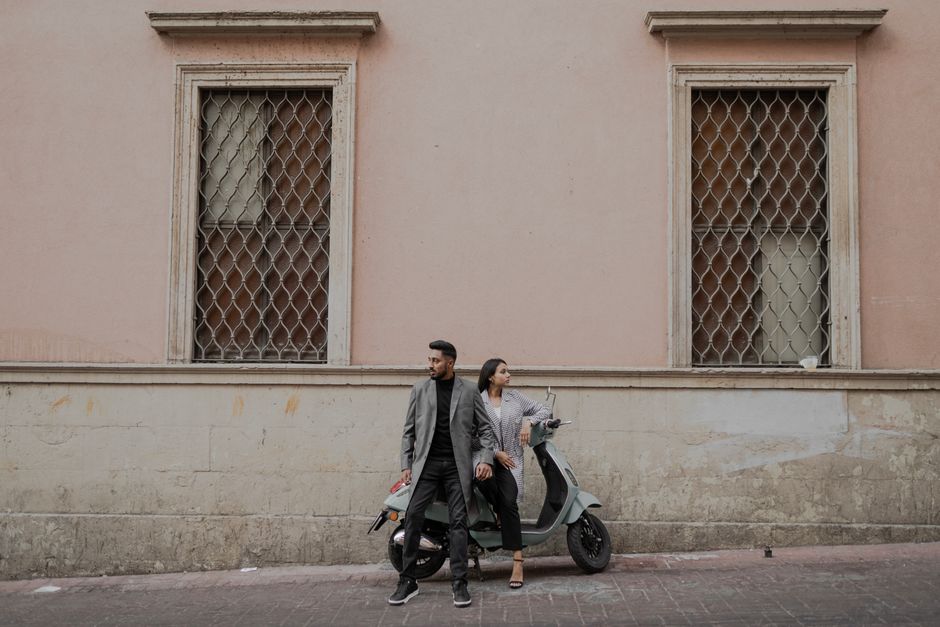
Product examples make the tradeoffs easier to see. These are standard-price benchmarks from official brand listings checked in 2026, before tax or temporary promotions. Final prices vary by state and individual factors such as sales tax, stock, membership discounts, and return costs.
| Jacket | Material and details | Listed price | Verdict |
|---|---|---|---|
| Levi’s Original Trucker Jacket | 100% cotton, non-stretch denim, hip length, chest and welt pockets | $89.50 list; $62.98 sale listing | Best casual value for dry days |
| AllSaints Dalby Slim-Fit Leather Biker Jacket | Lamb leather, slim fit, metal hardware, biker construction | $569 | Best for wind and evening outfits |
| J.Crew Relaxed-Fit Suit Jacket in English Merino Wool-Linen Blend | 54% merino wool and 46% linen, partially lined, relaxed fit, dry clean only | $548 list | Best polished option for changing temperatures |
My purchase ranking
- Choose the Levi’s Original Trucker if your priority is a washable, casual layer for mild and mostly dry weather.
- Choose the AllSaints Dalby if you walk in wind, want a close silhouette, and will protect the leather from prolonged rain.
- Choose the J.Crew wool-linen jacket if one layer must move from a cool commute to an office or dinner setting.
For a $500-plus purchase, get multiple quotes from retailers and compare the full cost: tax, alterations, dry cleaning, shipping, and return postage. A lower ticket price can lose its advantage after two tailoring visits and one difficult return.
When not to buy a transitional jacket: quick answers

Should it replace a rain shell?
No. A transitional jacket can handle light drizzle, but most denim, leather, and lightweight wool garments are not sealed waterproof layers. If your commute includes regular downpours, buy a compact rain shell first and use the fashion jacket underneath or in dry weather.
When should you skip leather?
Skip leather when you need machine washing, frequent wet-weather use, or a very light packable layer. Leather can also be the wrong choice for people who dislike animal materials, want low care costs, or need a jacket that changes shape easily as the day warms. Its wind protection does not cancel its care limits.
What is the clearest final recommendation?
For one jacket covering 45–65°F, indoor heating, and a smart casual wardrobe, choose lightweight wool with room for a thin knit. For relaxed weekend wear in dry weather, choose denim. Choose leather only when wind protection and its sharper look justify the higher price and stricter care.
The strongest transitional jacket is not the thickest or most expensive one. It is the layer that fits over your real clothes, matches your local weather, and survives the way you actually commute. For most readers building one dependable in-between wardrobe, lightweight wool is the best first purchase; denim is the safer budget alternative, and leather is a focused choice for dry, windy days.