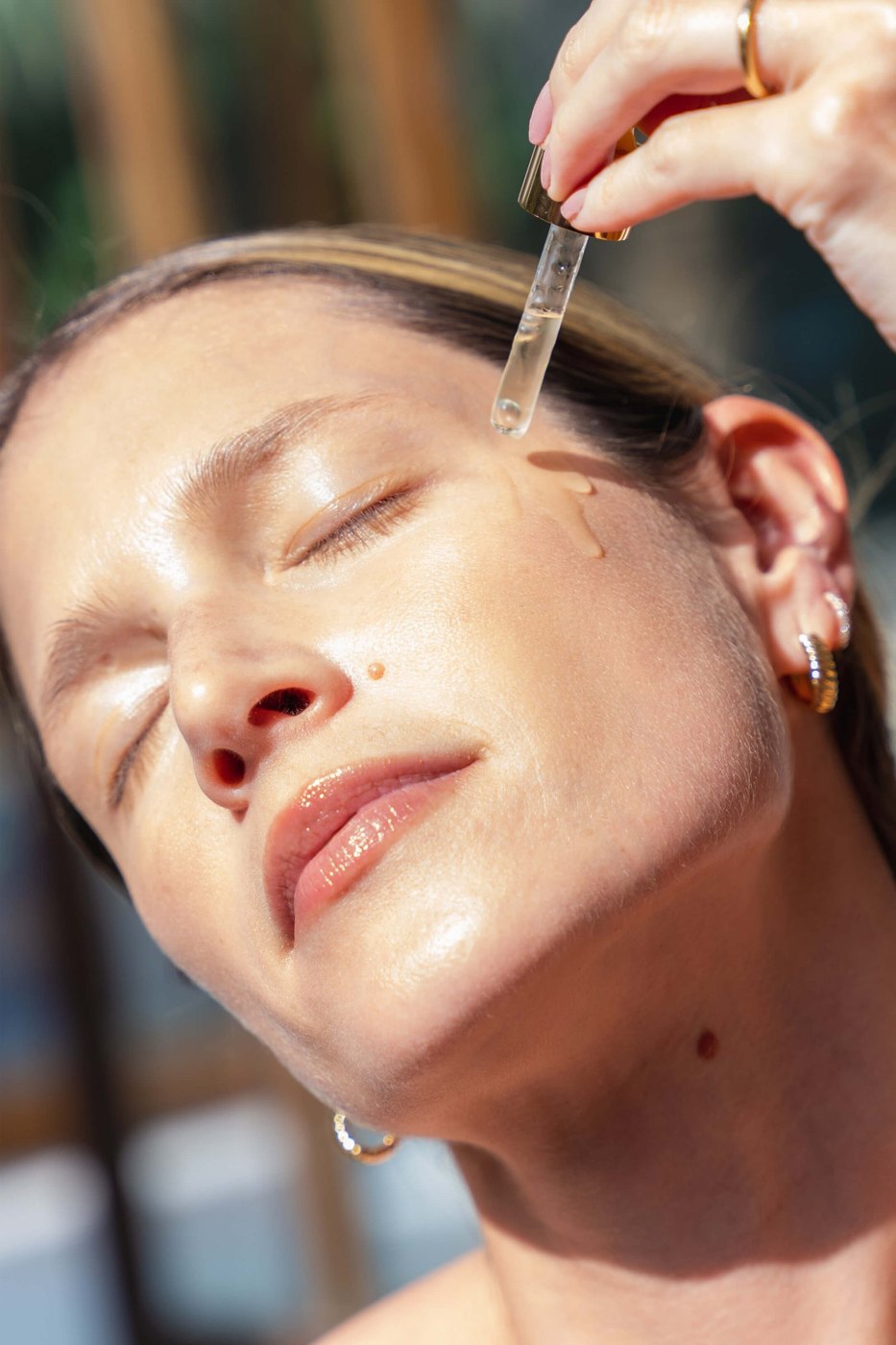
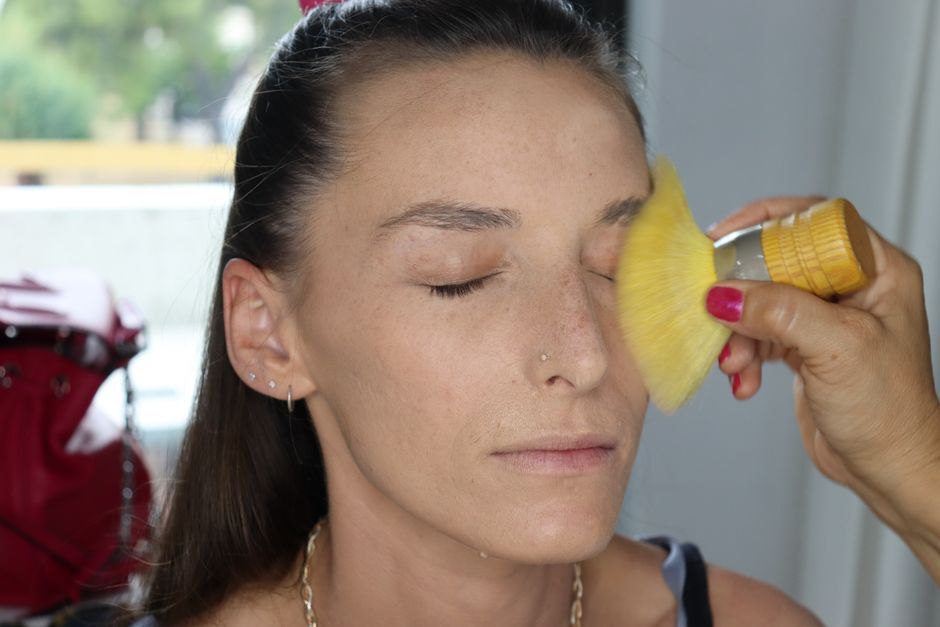
A 10°C swing between morning and afternoon can turn a smooth base into shine, flakes, or separated patches before lunch. Spring makeup needs to handle two different skin problems in one day: low-humidity tightness early on and heat, sweat, or oil later. The best fresh base makeup uses thin layers, flexible coverage, and targeted setting instead of one heavy coat.
What fresh base makeup must do in spring
Fresh makeup does not mean wet-looking skin or the lightest possible coverage. It means the base still looks like skin after the weather changes. That requires balance: enough moisture to stop dry areas from catching pigment, enough structure to control shine, and enough flexibility to move with facial expressions.
Fresh means thin, not shiny
A thick layer reflects light unevenly once oil appears. A thin layer keeps the finish more even because fewer pigments shift when the skin warms up. Start with a pea-sized amount of base for the center of the face, then add only where redness or uneven tone remains. Keep the cheeks and jaw lighter than the nose, chin, and forehead.
Match the finish to the weather problem
Choose a natural or satin finish when spring temperatures change quickly. Fully matte formulas can catch on dry patches during a cool morning, while very glossy formulas may look greasy after a warm commute. A fresh base should leave the skin with controlled reflection, not a layer of obvious shine. The strongest plan is usually hydrated skin, medium-light coverage, and powder only in the areas that crease or turn oily first.
How to prep skin before foundation on a spring morning

Skin preparation decides more about wear time than adding another layer of foundation. Keep the routine short. Each product needs time to settle, but too many emollient layers can leave pigment sliding across the surface.
Use this five-step morning reset
- Cleanse with lukewarm water or a mild cleanser. Remove overnight oil without leaving the skin tight.
- Apply a light hydrating layer to the cheeks and around the mouth. Use less on the nose and forehead.
- Wait two minutes, then apply broad-spectrum SPF 30 or higher. Makeup with SPF does not replace a separate sunscreen layer.
- Give sunscreen five to ten minutes to set. Blot visible excess with a tissue instead of rubbing it away.
- Press base makeup onto the skin with a damp sponge or flexible brush. Dragging creates streaks across dry areas.
Adjust the routine at midday
Do not add powder over sweat and expect a fresh result. First press a tissue against the T-zone, then use a small amount of concealer only where coverage disappeared. If the cheeks feel tight, tap a tiny amount of moisturizer over the area and wait before touching up. This targeted reset keeps the second layer from becoming a thick mask.
Which base formulas stay fresh through changing temperatures?
The table below compares useful reference points for popular formulas. Prices are typical U.S. list prices for 2026 and can vary by retailer. The clear winner for most spring days is a natural-finish foundation used in a thin layer, not the product with the highest coverage.
Spring base comparison
| Product | Finish and coverage | Size and reference price | Best spring use |
|---|---|---|---|
| NARS Light Reflecting Foundation | Natural finish, medium buildable coverage | 30 mL, about $52 | Balanced skin with changing humidity |
| L’Oréal Paris True Match Nude Hyaluronic Tinted Serum | Sheer to light coverage, radiant finish | 30 mL, about $18 | Dry skin and low-makeup days |
| Shiseido Synchro Skin Self-Refreshing Foundation | Natural finish, medium coverage | 30 mL, about $47 | Long commutes and active days |
| Estée Lauder Double Wear Sheer | Sheer, soft-matte finish | 30 mL, about $49 | Warm afternoons and oily T-zones |
| MAC Studio Radiance Serum-Powered Foundation | Radiant finish, medium buildable coverage | 30 mL, about $46 | Dull or normal-to-dry skin |
Choose the right winner
For a fresh finish on balanced or combination skin, NARS Light Reflecting Foundation is the strongest all-round pick because it builds over redness without looking flat. For dry skin, L’Oréal Paris True Match Nude Hyaluronic Tinted Serum gives the lightest feel, but it needs careful powder placement. For a long, warm day, Shiseido Synchro Skin Self-Refreshing Foundation offers the best balance of movement and staying power. Estée Lauder Double Wear Sheer wins when the T-zone is the main problem and shine control matters more than glow.
How to apply a spring base without making it heavy

My firm recommendation: apply coverage in zones, not everywhere. Spring skin often has different needs on the same face. The center may need coverage for redness, while the outer cheeks only need a veil of tone-evening product. One uniform layer ignores that difference and makes the driest areas look older and the oiliest areas look thicker.
Build from the center outward
Place a small dot on each side of the nose, the chin, and between the brows. Blend toward the cheeks and hairline before adding more. Use a fingertip for warmth and speed, a damp sponge for the thinnest finish, or a dense brush when you need more coverage. Stop when the skin looks even at normal conversation distance. Small freckles or faint marks do not need full-face coverage.
Set only the areas that move
Use a fine loose powder under the eyes, beside the nose, around the mouth, and across the center of the forehead. Leave the high points of the cheeks mostly unpowdered so the finish stays alive. Press powder into the skin rather than sweeping it across the surface. A setting spray can soften visible powder, but it cannot repair too much foundation underneath. If the base already feels thick, blot and remove a little instead of layering another product.
Why spring foundation separates, cakes, or fades
Most base failures have a clear cause. Fix the cause before buying another formula.
Why does foundation separate around the nose?
Oil, sunscreen, and friction usually work together. The nose produces more oil than the cheeks, and glasses or constant touching remove pigment. Use less moisturizer in that area, allow sunscreen to set, then press a small amount of powder before foundation. Avoid rubbing the nose during touch-ups. Blot first, then add coverage only to the bare patch.
Why does foundation cake on dry cheeks?
Dry skin does not always need a richer base. It often needs fewer layers. Remove flaky skincare residue, add a small amount of moisturizer, and wait until the surface no longer feels wet. Apply foundation with a damp sponge and stop at one thin pass. Powder should stay away from textured cheek areas unless the base creases there.
Why does makeup look dull by late afternoon?
Very matte products can lose their freshness when moisture and natural oils disappear from the surface. Use a satin base, keep powder to the center of the face, and refresh with a clean fingertip rather than adding highlighter. If dullness comes with tightness, the problem is dryness, not a lack of glow product.
When to choose lighter coverage, and when not to buy foundation
For most casual spring days, a tinted serum is a better choice than a full-coverage foundation. It uses less product, settles faster, and creates fewer visible edges when humidity changes. L’Oréal Paris True Match Nude Hyaluronic Tinted Serum is the practical budget pick for sheer coverage. MAC Studio Radiance Serum-Powered Foundation suits someone who wants more evenness without a flat finish.
Choose a tint when the real goal is tone balance
Use a tinted moisturizer or serum when redness is mild, texture is the main concern, or you will spend only a few hours wearing makeup. Spot-conceal under the eyes and around the nose instead of increasing coverage across the whole face. This approach looks fresher in daylight and gives sweat fewer layers to disturb.
Skip foundation when it creates the problem
Do not buy a heavier base to cover peeling caused by over-exfoliation, irritation, or a damaged skin barrier. Foundation can disguise uneven tone, but it cannot correct active discomfort. On those days, use sunscreen, a small amount of concealer, and a cream blush if the skin feels calm. Choose Estée Lauder Double Wear Sheer only when you need dependable light coverage in warm conditions; its soft-matte finish is not the right answer for visibly flaky skin.
A 10-minute fresh base routine for spring
The fastest reliable routine has three goals: even the center, preserve skin texture, and control only the places that break down.
Minute-by-minute application
- Minutes 0–2: Cleanse or rinse, then apply a light moisturizer where the skin feels tight.
- Minutes 2–5: Apply SPF 30 or higher and let it settle. Blot the nose and forehead if they remain slick.
- Minutes 5–7: Apply one thin layer of NARS Light Reflecting Foundation or your chosen base from the nose and chin outward.
- Minutes 7–8: Add concealer only to visible redness, under-eye darkness, or marks that still distract.
- Minutes 8–9: Press a small amount of powder under the eyes, beside the nose, and across the center of the forehead.
- Minute 10: Check the base in daylight. Remove excess at the hairline and jaw rather than adding more product.
The final spring check
Move your face, look up close, and check the skin after five minutes. If the cheeks look dry, remove powder there. If the nose looks shiny, blot before setting it again. For a fresh result, the best base should become less noticeable as it settles. That is the sign the layers are working with the weather instead of fighting it.