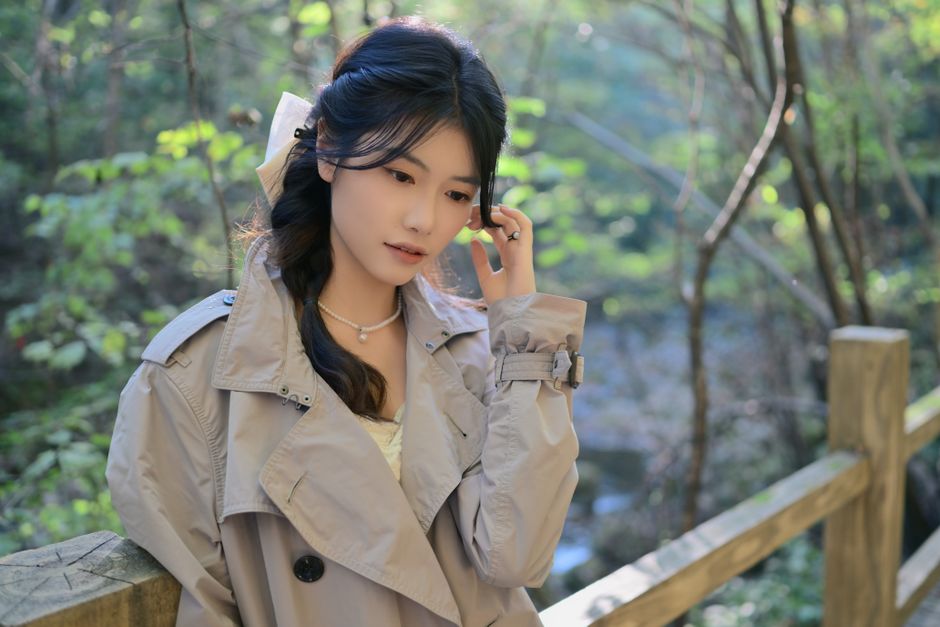
A trench coat is not only for office outfits
The common mistake is treating a trench coat like a uniform: buttoned to the neck, tied tightly at the waist, and paired with sharp trousers. That styling makes even a good coat look stiff. The best spring trench coat styling keeps the coat relaxed, then changes the layers and shoes underneath for the setting. A clean trench can handle a Monday meeting and a Saturday coffee run, but it needs different proportions for each job.
The office verdict: keep the coat structured
For work, choose a trench with a firm collar, a defined shoulder, and enough room to fit over a blazer. The hem should land between the knee and mid-calf. That length looks polished with wide-leg trousers, straight jeans, and midi skirts. Wear the belt tied in a loose knot or fasten only the middle button. A tight bow makes the outfit look too planned.
The weekend verdict: break the symmetry
For weekends, push up the sleeves, leave the front open, and let one side of the collar fall flat. Add a soft sweatshirt, striped knit, relaxed denim, or low-profile sneakers. The contrast matters. A formal coat over casual layers feels current; a formal coat over a silk blouse, pressed trousers, and pointed heels can look like you are heading to a conference.
Color also changes the message. Stone, light khaki, and warm beige feel easy in spring. Black looks sharper but gives you less room for casual styling. Navy is the strongest middle ground for people who want an office-ready coat that still works with denim.
How to choose the right spring trench fit
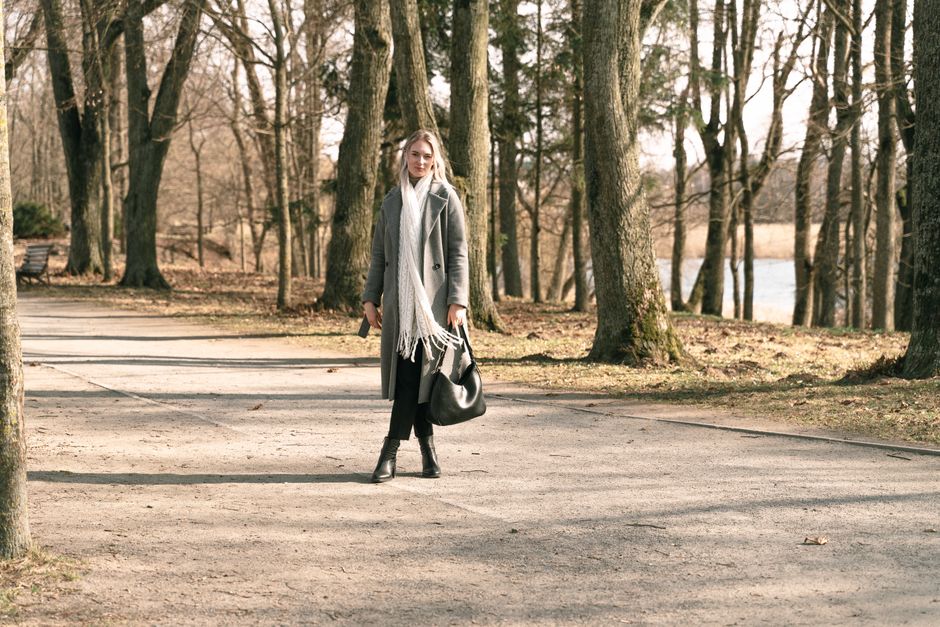
Fit decides whether a trench looks modern or borrowed. Do not start with color. Start with the layers you will actually wear. If a blazer, cardigan, or chunky knit cannot sit under the coat without pulling across the buttons, the trench is too narrow. If the shoulder drops far past your natural shoulder and the sleeves cover your hands, the coat is oversized rather than relaxed.
Use these four measurements before buying
- Shoulder room: You need roughly 1 to 2 cm of ease beyond your blazer shoulder seam, with no diagonal wrinkles from the collar to the armpit.
- Sleeve length: The cuff should reach the wrist bone when your arms hang naturally. A folded cuff can show 3 to 5 cm of lining or shirt sleeve.
- Body ease: Leave around 8 to 12 cm between your chest measurement and the coat measurement if you plan to wear knitwear.
- Hem length: Knee length is the safest choice for petite frames and commuters. A 110 to 120 cm back length gives taller people a stronger mid-calf line.
Pick one silhouette and commit to it
A fitted trench works best with loose trousers or a column dress. A roomy trench works best with a narrow base, such as straight jeans, a slim knit dress, or cigarette trousers. Wearing an oversized coat over oversized trousers can work, but it needs a visible ankle, pointed toe, or cropped top layer to stop the outfit from becoming one large block.
Skip a long, heavily belted trench if you dislike adjusting clothes during the day. The belt will drag, twist, or catch on a work bag. A straight-cut trench with a back vent is the better choice for long commutes and busy schedules.
Three office trench coat formulas that look deliberate
For the office, the winner is a medium-length trench over one clean column of color. That formula looks intentional without forcing you into a full matching suit. The coat becomes the frame, not the entire outfit.
Formula one: trench, wide-leg trousers, and a fine knit
Choose a high-rise trouser with a 28 to 32 cm rise and a hem that breaks lightly over a loafer or low heel. Add a fitted merino or cotton knit tucked at the front. The trench should end at least 10 cm above the widest point of the trouser leg or fall well below it. A hem that stops exactly at the trouser width creates a blunt line.
The Burberry Kensington Heritage Trench is the classic reference for this look: long, double-breasted, structured through the shoulder, and designed around a storm flap. You do not need that label to copy the proportion. Look for a firm shoulder, a clean lapel, and a hem near mid-calf.
Formula two: trench, straight jeans, and a sharp shoe
Use dark straight-leg jeans with minimal fading, a tucked shirt, and a loafer or pointed flat. Keep the shirt white, pale blue, or striped. The shoe supplies the office signal, while the denim keeps the outfit from looking like a costume. This is the strongest formula for creative offices and Friday dressing.
Formula three: trench over a column dress
A knit dress or simple slip dress under a trench creates a long vertical line. Keep the dress within 5 to 8 cm of the coat hem, or make it clearly shorter. A dress that peeks out by 1 cm looks accidental. The COS Oversized Double-Breasted Trench Coat is a useful reference for this version because its dropped shoulder and longer, roomier shape need a narrow layer underneath.
Use only one strong accessory: a watch, structured tote, or narrow scarf. Adding all three makes the look busy.
How to wear a trench on weekends without looking corporate

Weekend trench styling needs friction. The coat should look like it was thrown on, even when the outfit underneath is carefully balanced. The strongest casual version pairs a clean trench with one visibly relaxed item: washed denim, a sweatshirt, canvas sneakers, or a soft cotton dress.
Build the outfit from the shoes upward
Start with the shoe because it sets the mood faster than the coat. White leather sneakers make beige look casual. Black loafers make it sharper. Ballet flats soften the shape, while hiking-inspired sneakers add weight and keep a long trench from looking too delicate. Avoid a very formal pointed pump with relaxed jeans unless the rest of the outfit is simple.
- For errands: straight-leg jeans, a ribbed tank, cotton cardigan, and low-profile sneakers.
- For lunch: relaxed trousers, a tucked striped shirt, and leather loafers.
- For a city walk: a midi skirt, crew-neck sweatshirt, and sturdy flat boots.
- For travel: stretch denim, a thin merino sweater, and a trench with a back vent.
Use volume in only two places
A loose coat and wide trousers can work, but the top layer underneath should stay close to the body. A roomy trench over a full skirt also needs a simple top and a visible waist. The easiest casual proportion is a roomy coat, straight bottom, and compact shoe.
Do not tie the belt in a perfect bow for a weekend outfit. Knot it once at the back, leave it hanging, or remove it if the coat has belt loops that do not look awkward without the belt. Push the sleeves to just below the elbow, but do not create a tight accordion of fabric. One or two folds look relaxed. Five folds look messy.
What should you wear under a spring trench?
The answer is based on temperature and proportion, not a fixed list of basics. Spring weather changes quickly, so the useful trench wardrobe is built around removable layers. A coat that looks perfect over a T-shirt may fail over a sweater, and a coat that fits a sweater can look empty over a thin blouse.
Can you wear a blazer under a trench?
Yes, but the trench must be wider at the shoulder and upper arm than the blazer. Check the back after buttoning the coat. If the fabric pulls into a horizontal line across the shoulder blades, size up or choose a straighter cut. A blazer hem can extend 2 to 5 cm below the trench hem, but a much longer blazer will create visual clutter.
Can you wear a hoodie under a trench?
Yes, if the hood is thin and the trench has enough space behind the neck. A heavy fleece hood bunches under the collar and makes the coat sit badly. Choose a sweatshirt with a close neckline, then keep the rest of the outfit simple: straight jeans and sneakers are enough.
What should you avoid?
A bulky scarf, large hood, wide-leg trousers, and oversized tote under one trench is too much volume at once. Remove one piece. Also avoid wearing a very pale beige trench with a beige base from head to toe unless the textures clearly differ. The outfit can lose its shape and look unfinished.
For mild days, the Uniqlo Trench Coat is a useful reference for a shorter, lighter silhouette that works over a shirt or thin knit. For a sharper weekend look, Mango’s Double-Breasted Trench Coat gives the same idea with a cleaner knee-length line. The real rule is simple: match the coat volume to the layer underneath, then let one item provide contrast.
Which spring trench formula wins?
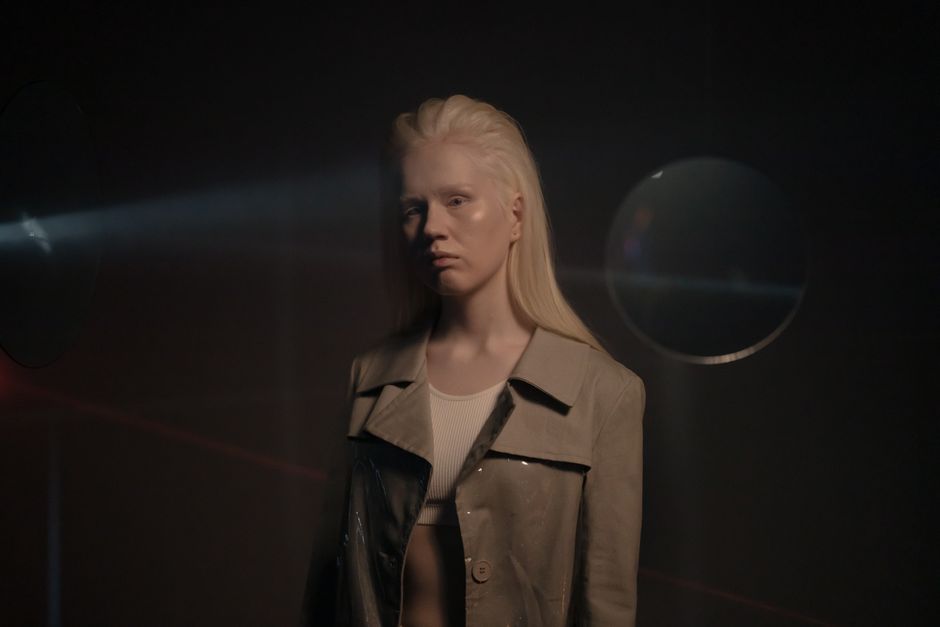
The best choice is the medium-length trench with a relaxed shoulder, a clean front, and enough room for one light layer. It handles office clothes, denim, and dresses without forcing a costume change. Choose a longer coat only if you like a stronger silhouette and can keep the outfit underneath narrow.
Quick comparison by setting
| Setting | Best coat shape | Layer underneath | Best shoe | Verdict |
|---|---|---|---|---|
| Formal office | Knee to mid-calf, structured shoulder | Blazer, fine knit, wide-leg trousers | Loafer or low heel | Most polished |
| Creative office | Medium length, slightly oversized | Dark straight jeans, shirt, knit | Pointed flat or loafer | Best balance |
| Weekend lunch | Relaxed shoulder, open front | Striped knit, straight denim, cardigan | Leather sneaker | Most wearable |
| Travel day | Back vent, room for layers | Thin sweater, stretch trousers | Flat boot or sneaker | Most practical |
| Rainy commute | Water-resistant fabric, secure closure | Compact knit and tailored trousers | Water-resistant loafer or boot | Best for function |
The final buying rule
Buy the trench that fits your heaviest normal spring layer, not the T-shirt you wear once the weather turns warm. For office and weekend use, a stone or navy medium-length coat is the clear winner. It gives you enough structure for work, enough ease for denim, and enough space to change the mood with one layer and one pair of shoes.